Riders Ride (April 17)

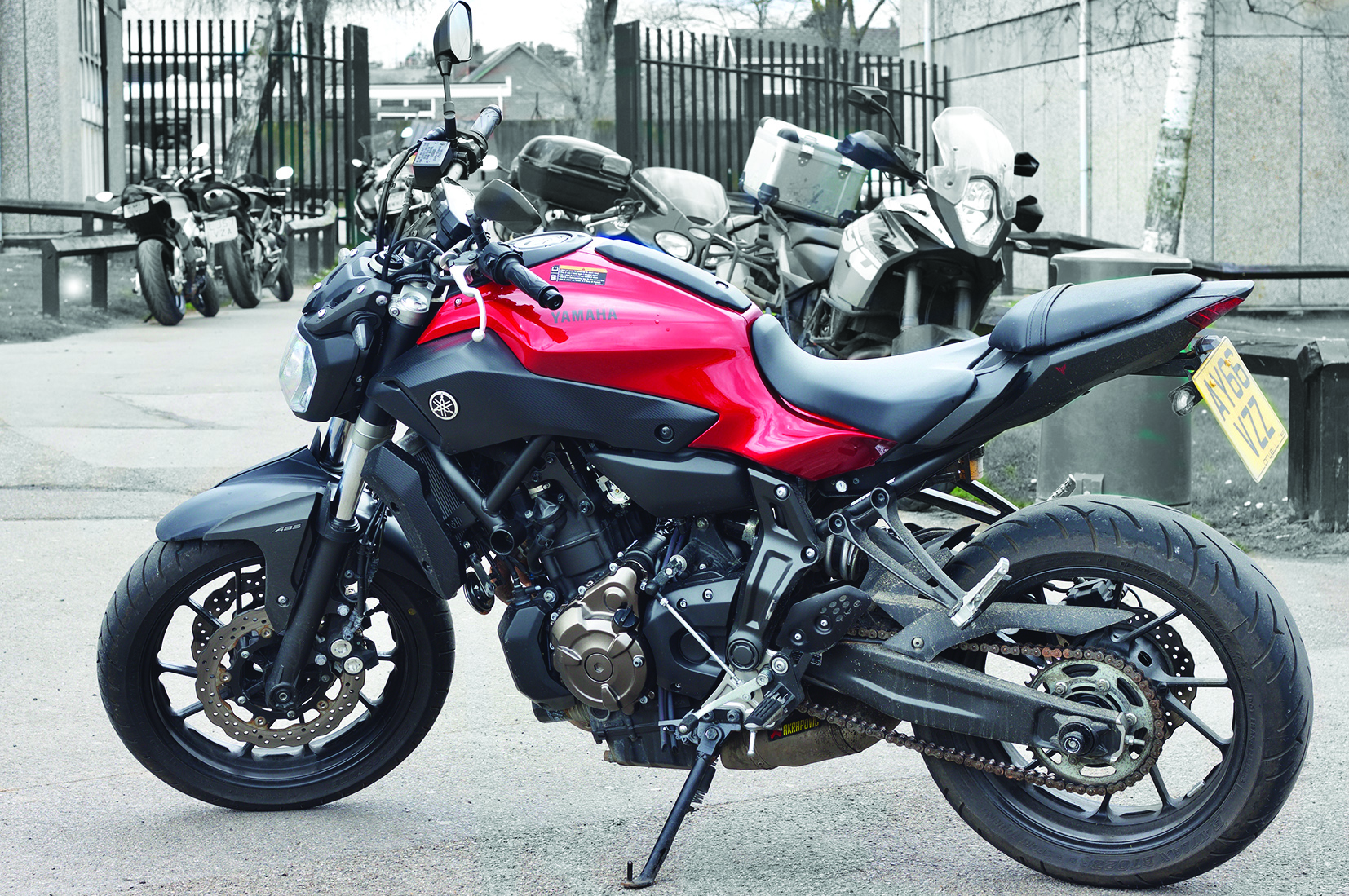
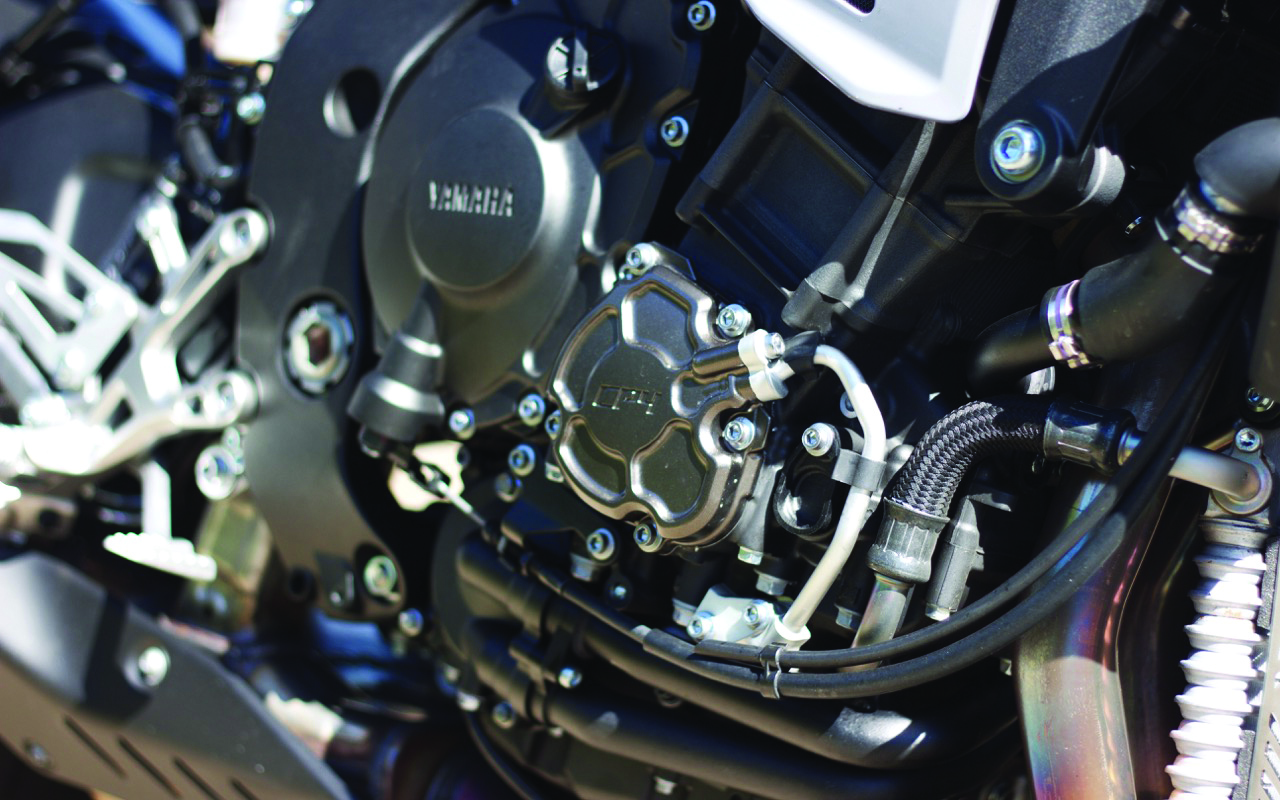
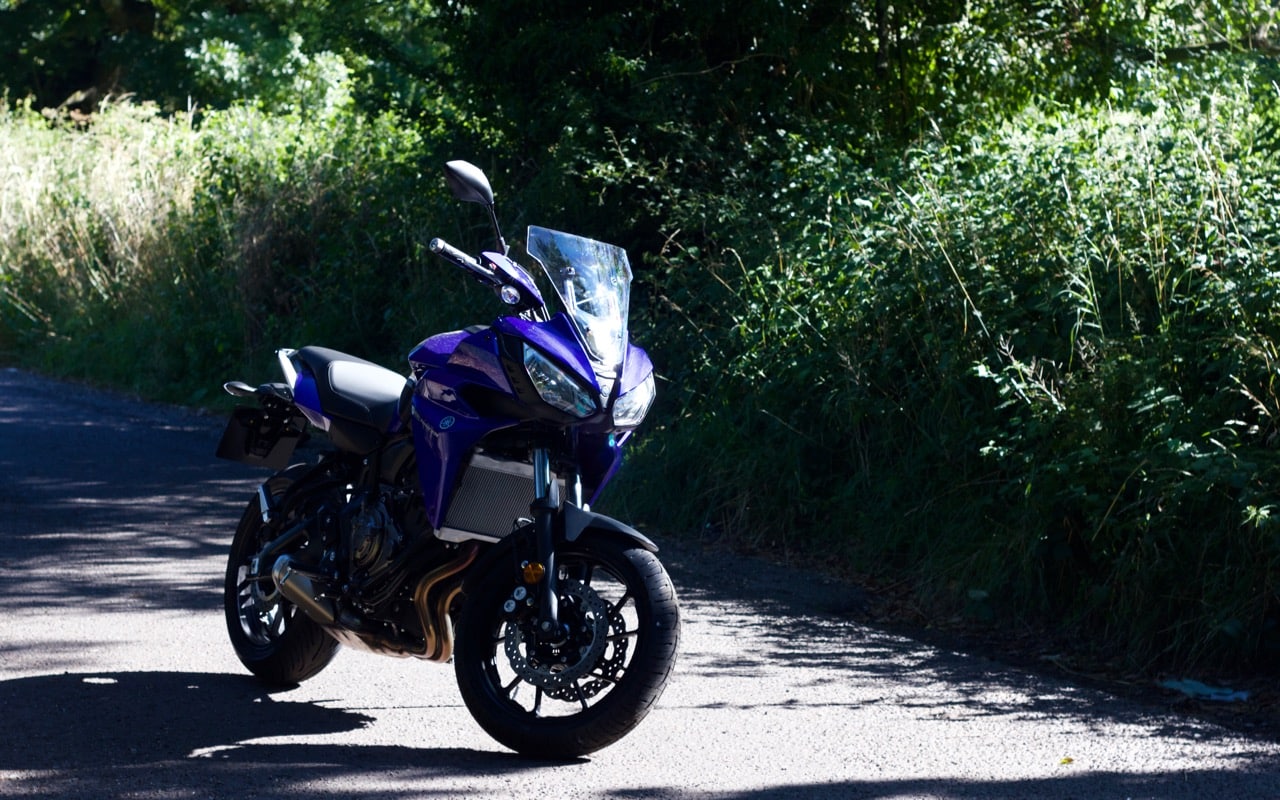
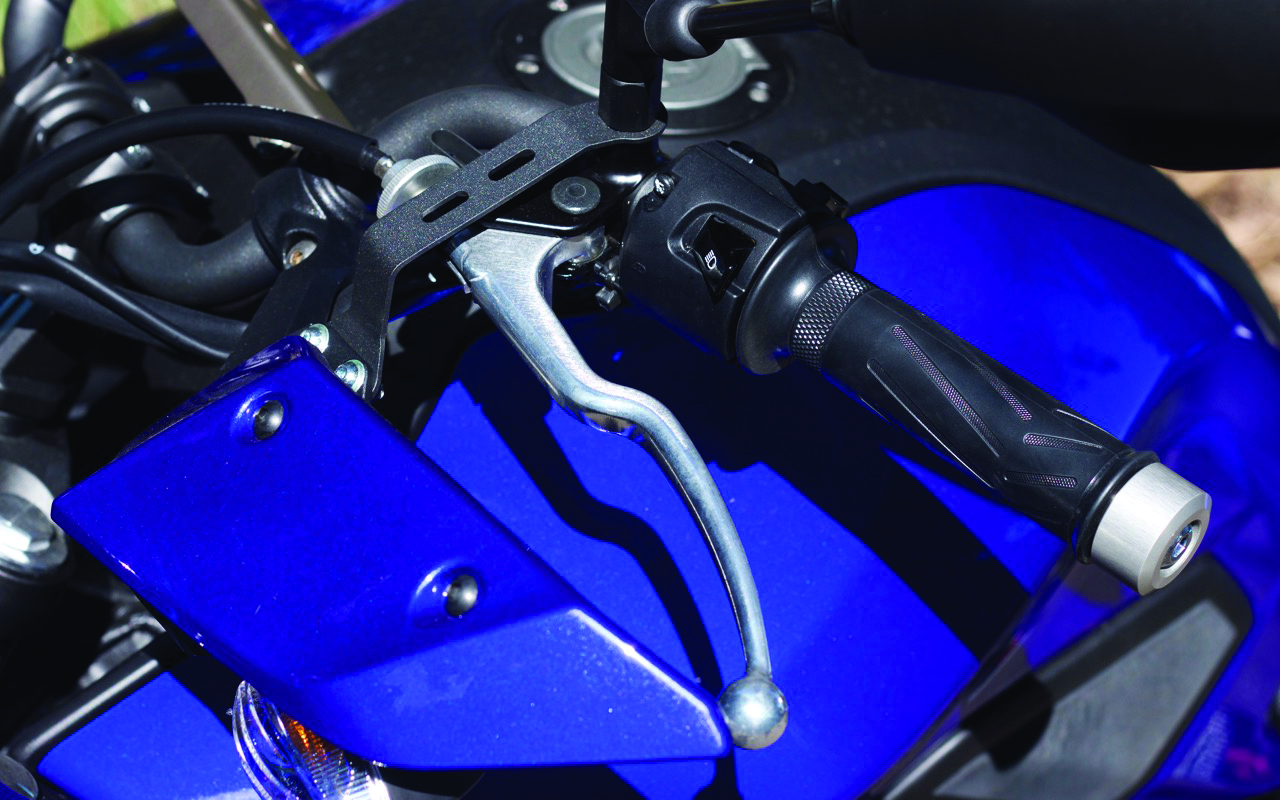
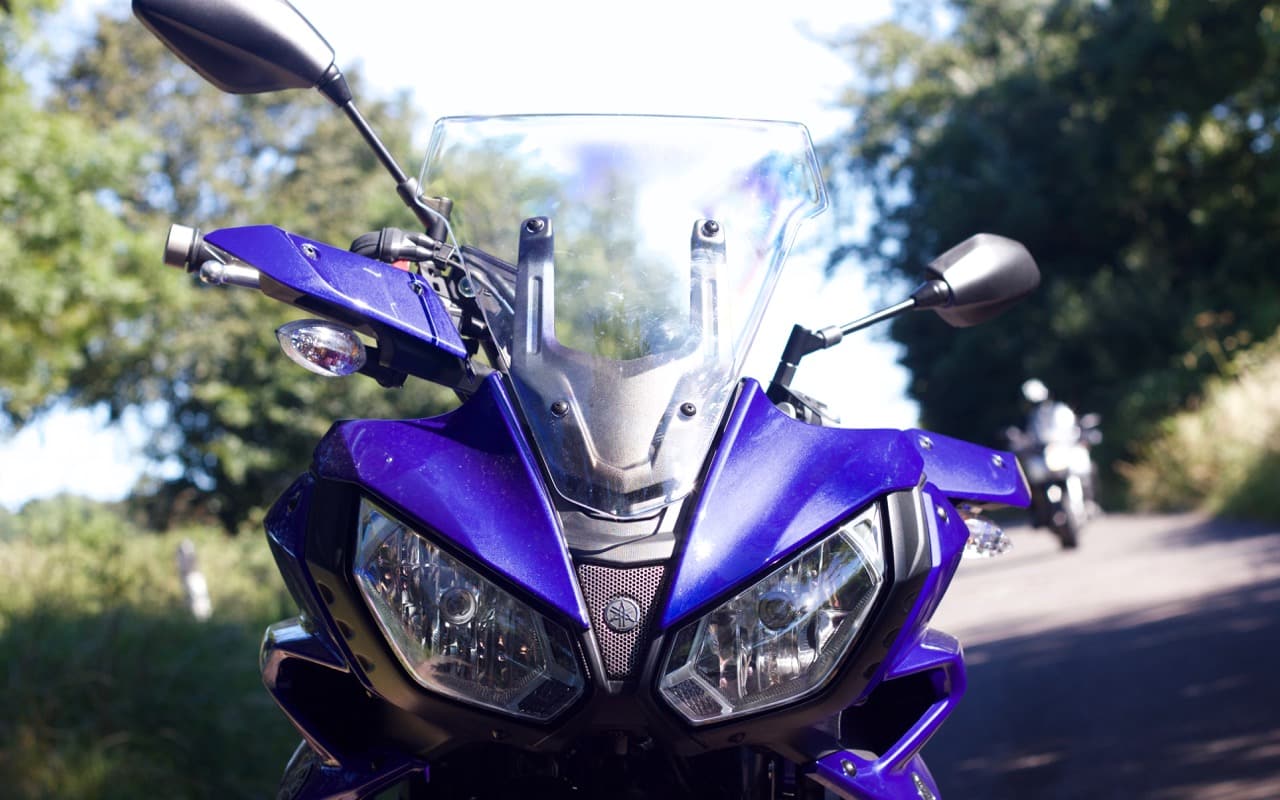
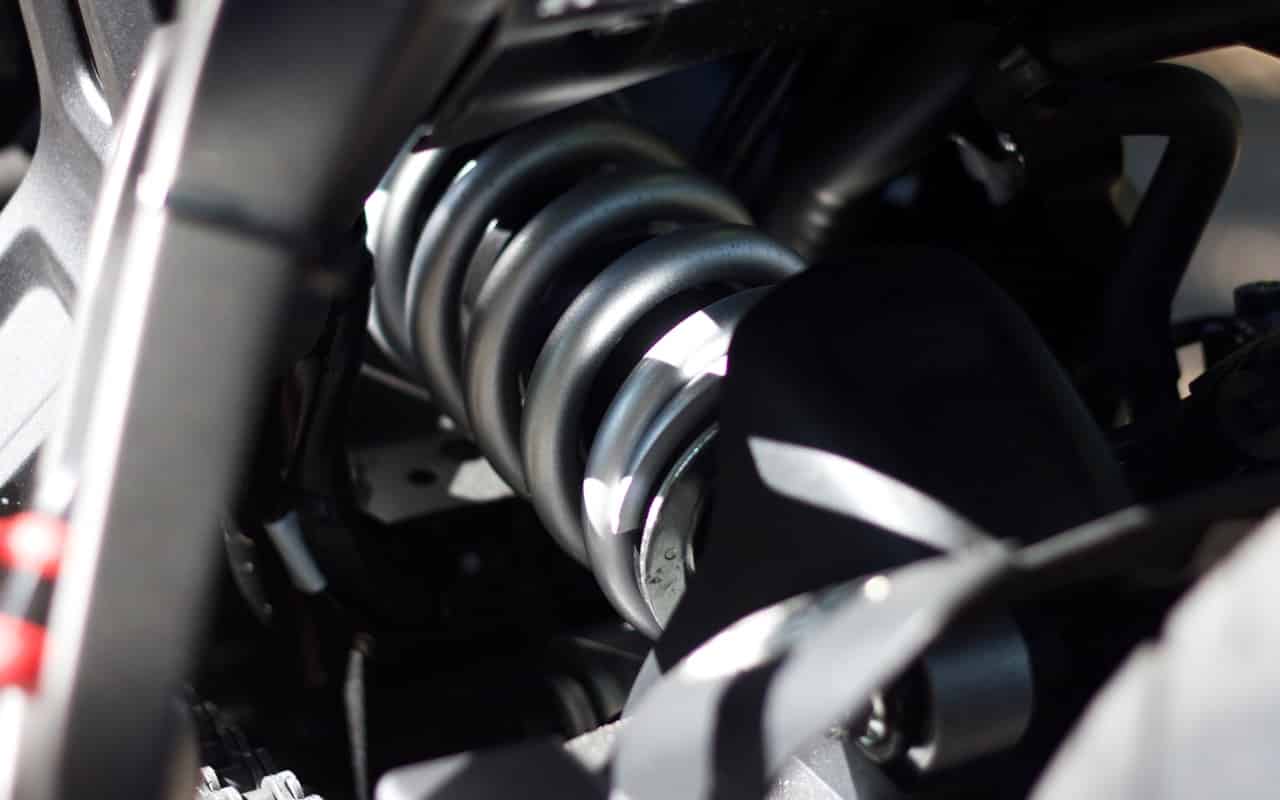
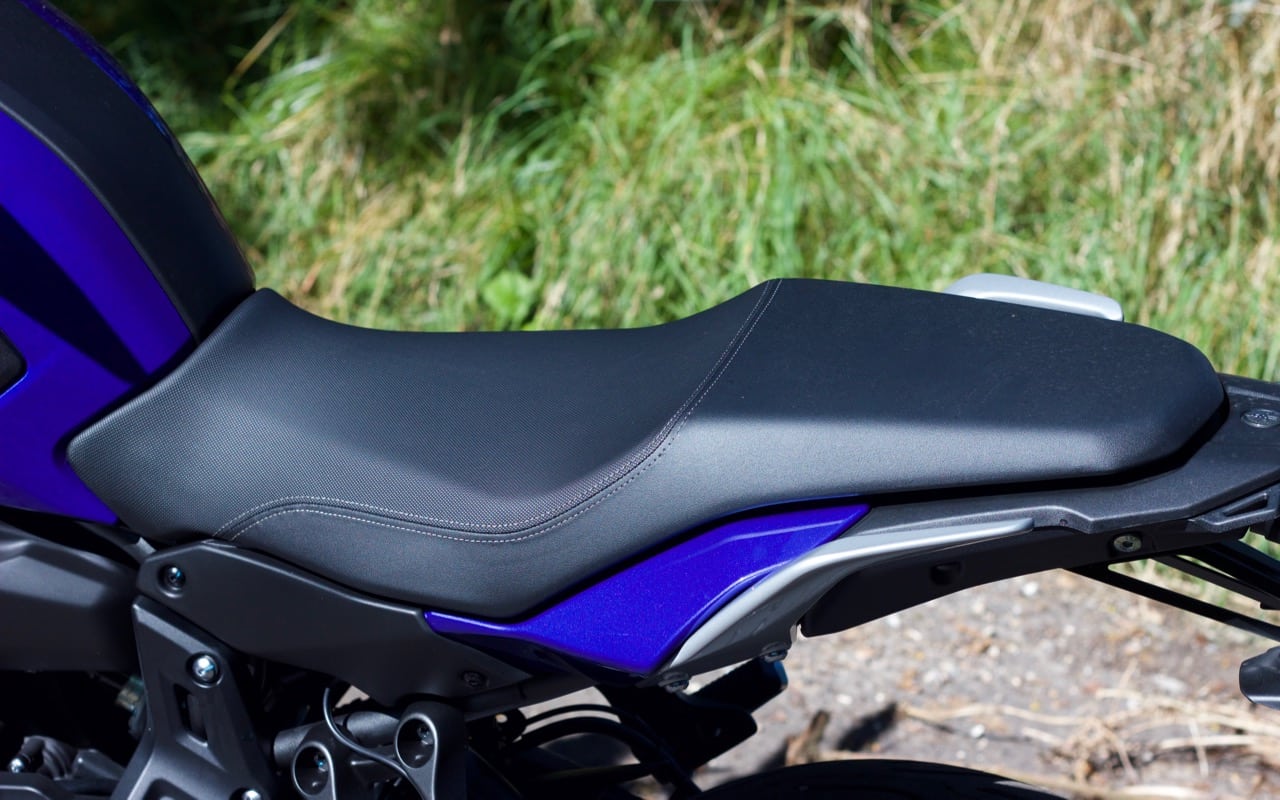
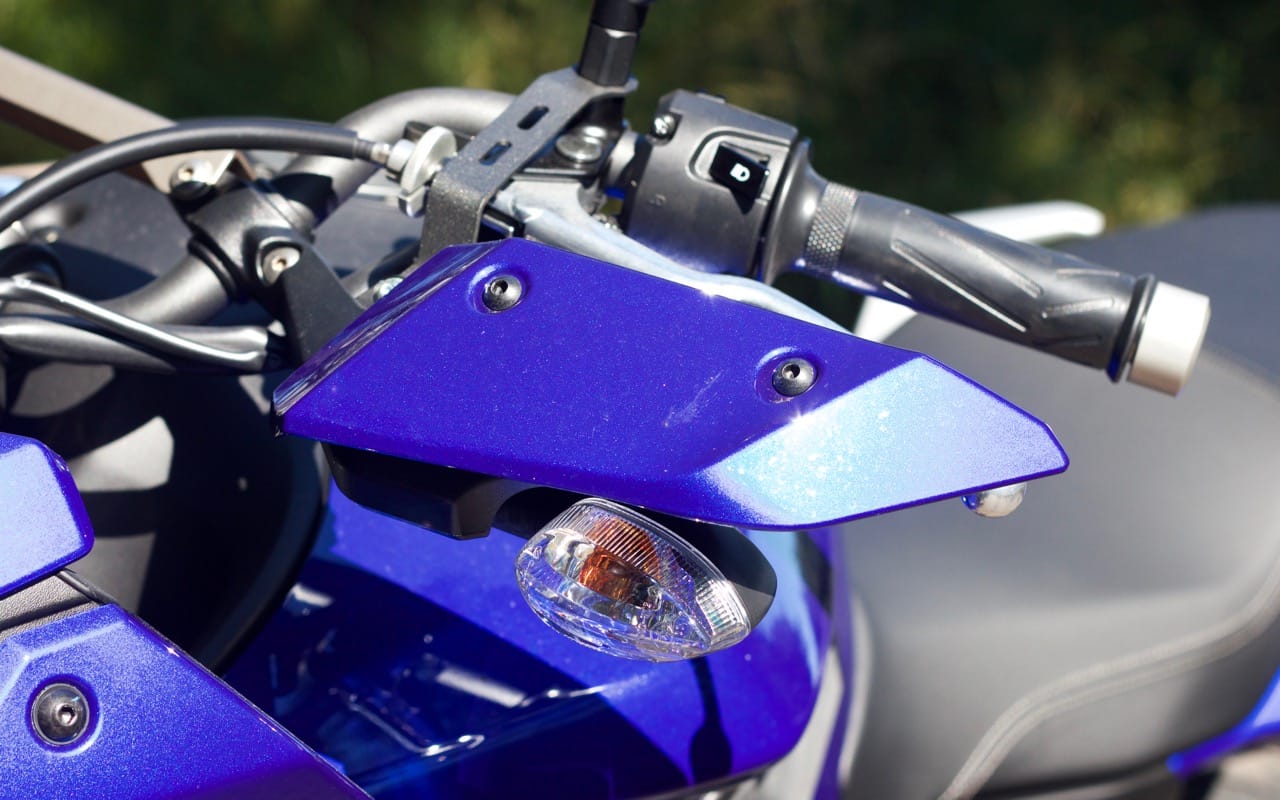
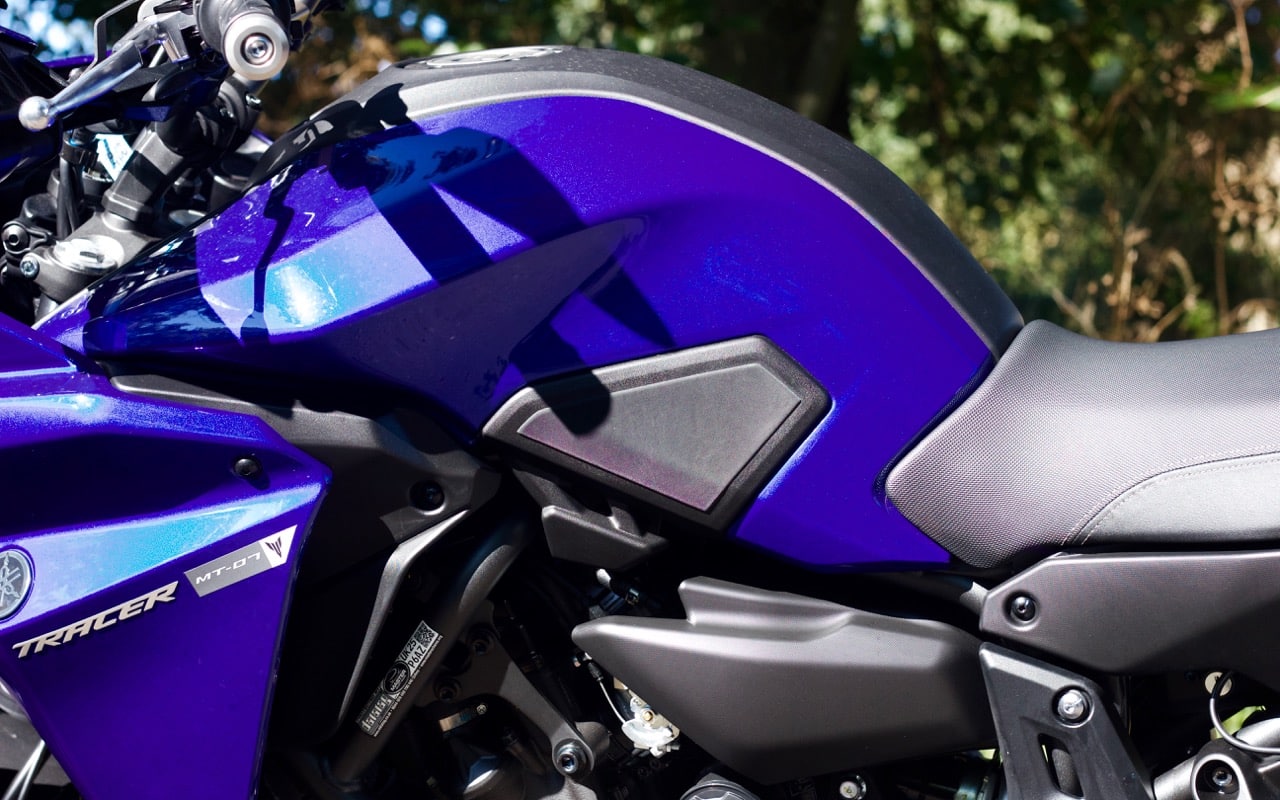
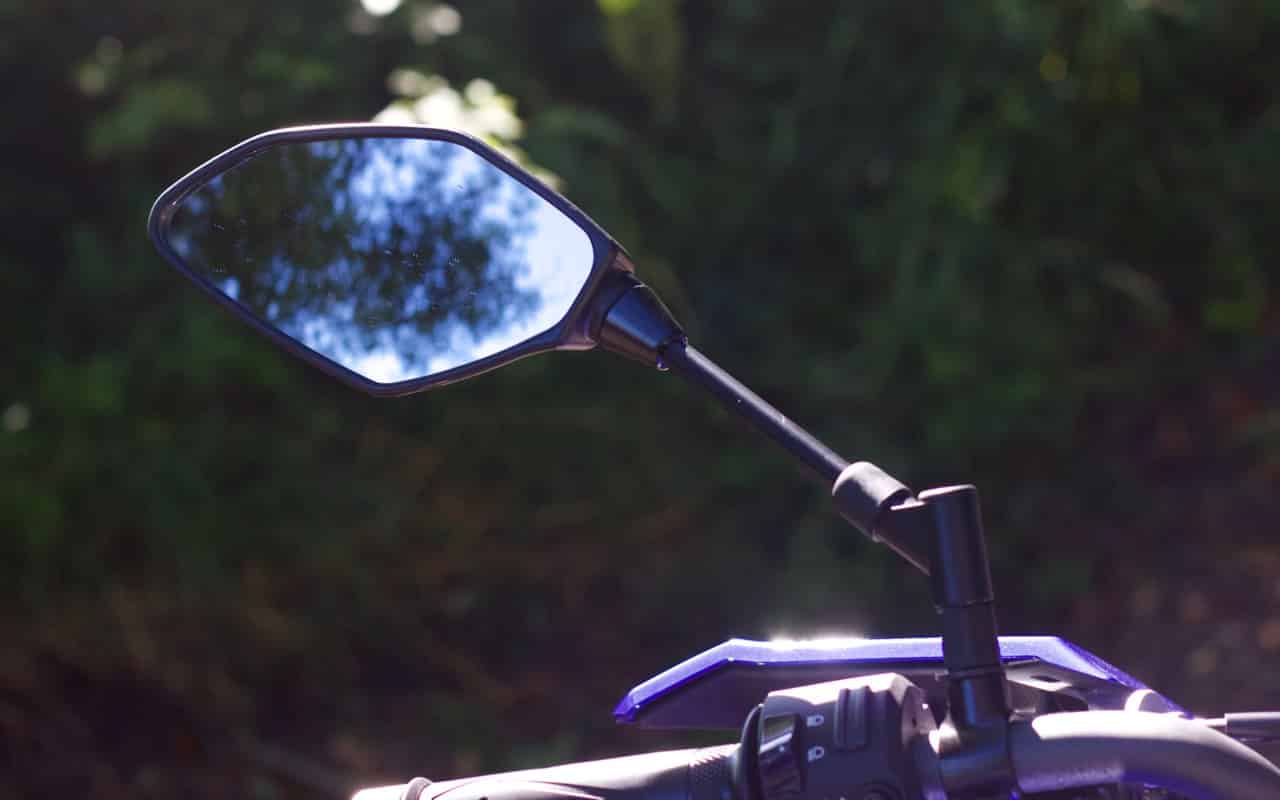
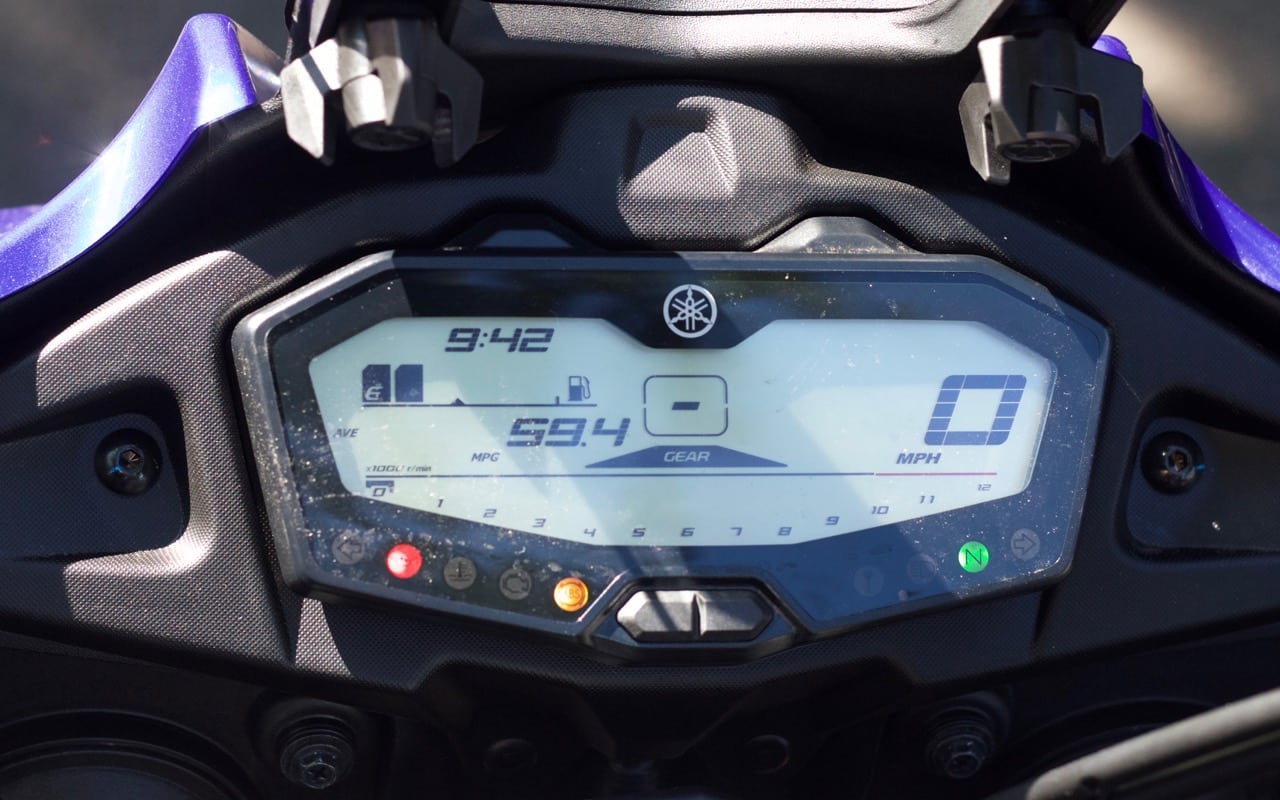
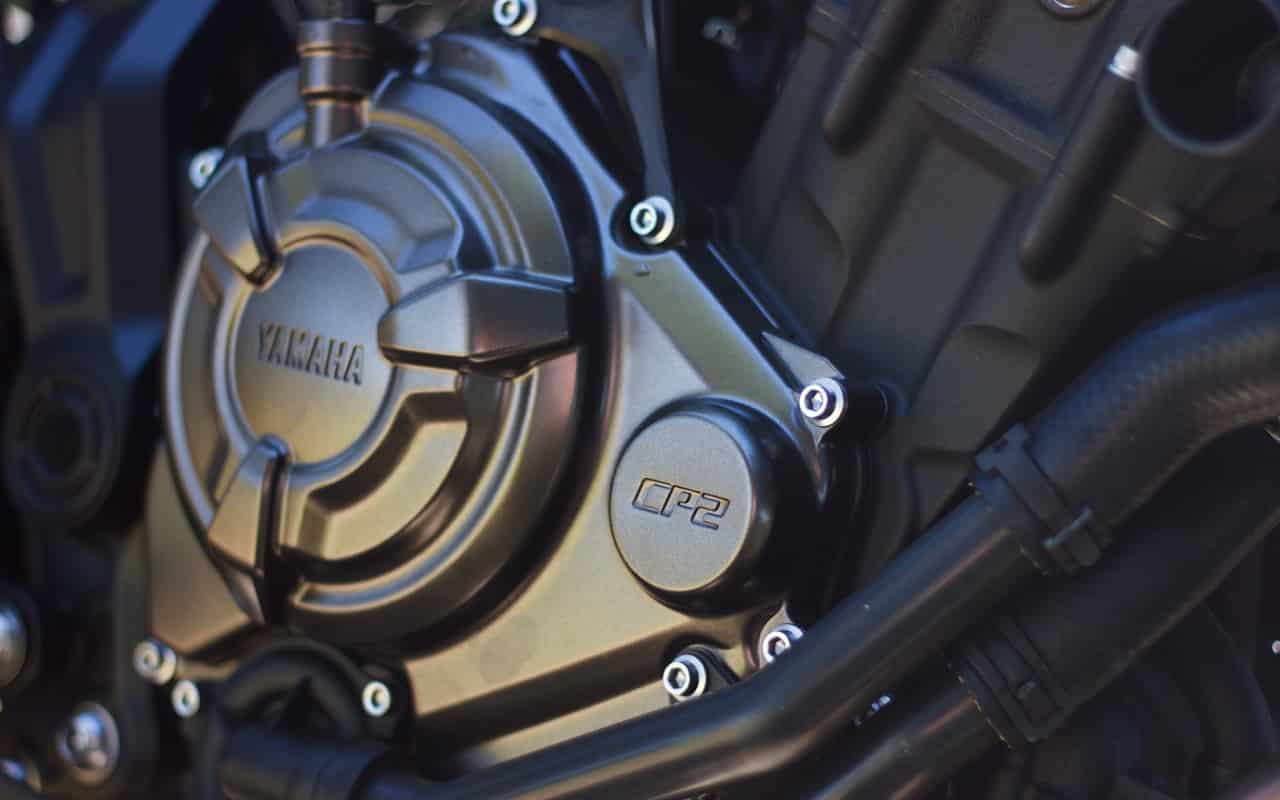
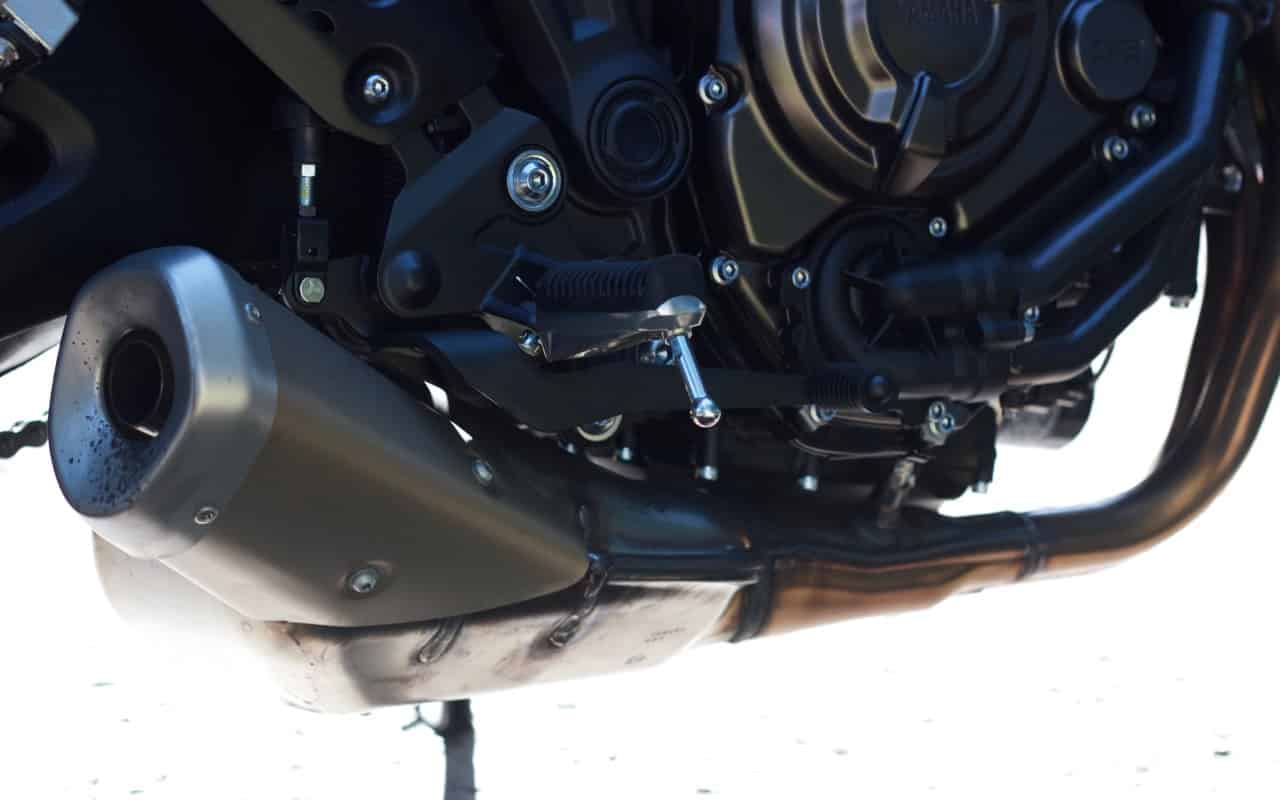
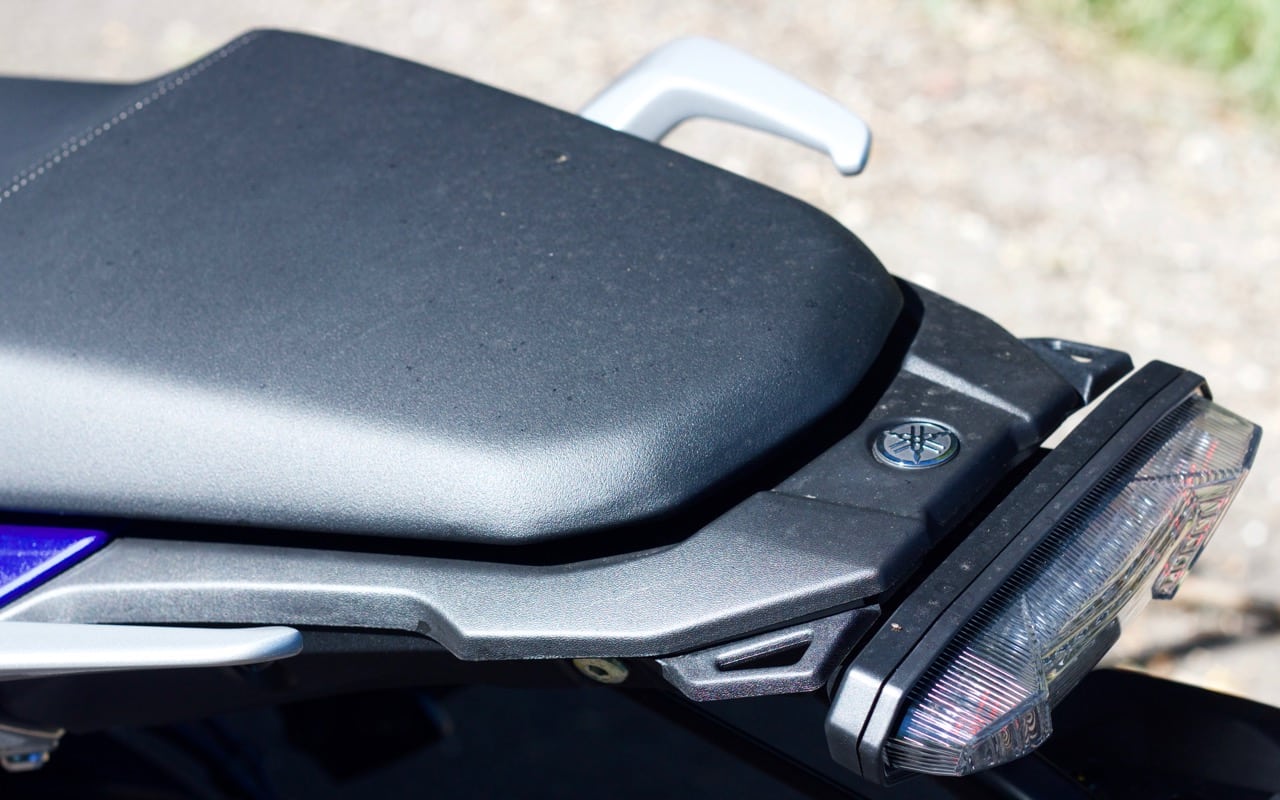
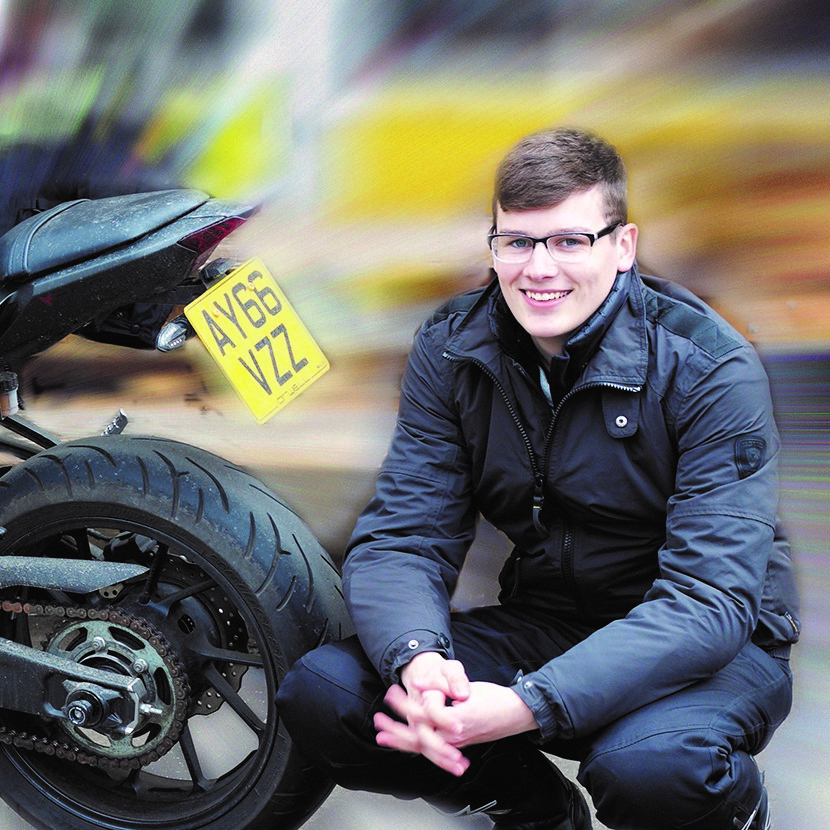
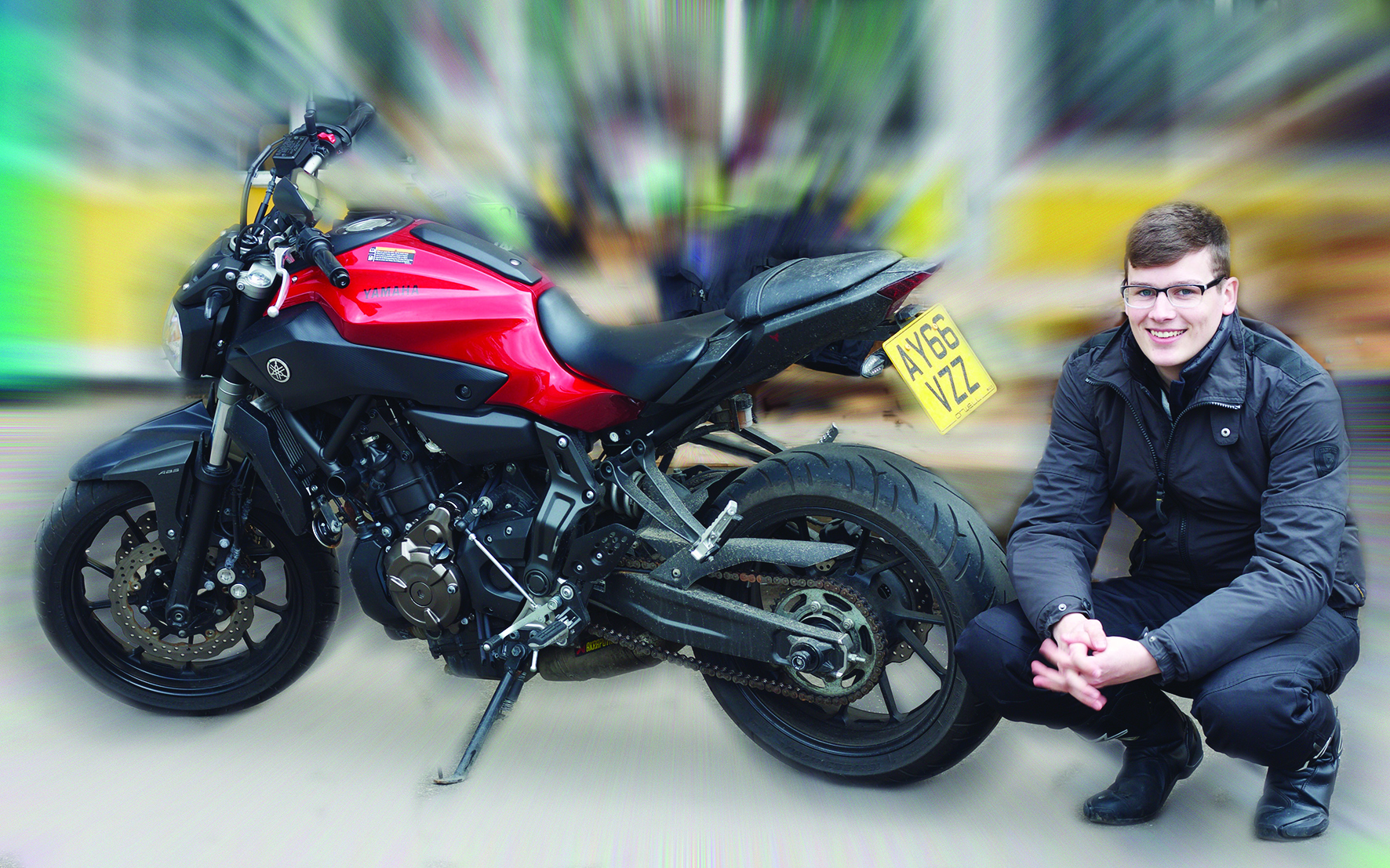
This month we have Oliver King, one of our RideUp candidates, and his shiny red Yamaha.
So Oliver, what make and model of bike are we looking at here?

A Yamaha MT07.

And how long have you had this bike?

Since September 2016, so about 5000 miles.

Was this purchased new then?

Yes, brand new. I bought it through Yamaha finance, over three years, my first bike

And what made you choose that particular bike?

For a start, the size was quite a big thing. I’ve sat on larger bikes and always hated the weight of them, and so I chose that one because of weight and size. And secondly because it was less expensive than a lot of other bikes, like your Street Triple for example, which I did look at. I also looked at a KTM 390 but I went with Yamaha for reliability as well, it’s a good name. And it looked awesome!

Why did you decide to go new rather than used?

Mainly because of the finance. I couldn’t put six grand up front in one big bulk payment, and it would’ve taken me about two years to build up that amount of cash to put down on a first bike. I know I’m going to have it for a long time, so I thought if I’m going to be the first owner, all the mods I put on it will be mine.

So you weren’t tempted to look at something like a ten-year-old SV650, for example? Because you could probably get one of those for £2k…

No, I wasn’t tempted. I did look at second-hand bikes, but I thought, it’s my first bike, and I love the cool bikes that are coming out at the moment, and I didn’t want some knackered old thing. I’d probably buy a second-hand car, but a bike is my own, this one’s always been mine, all the things I’ve put on it are for me. No one else has done anything, they’re all my miles.

So which dealer did you pick this Yamaha up from?

There’s one in Ipswich called Orwell Motorcycles, they’re a Suzuki, Kawasaki, and Yamaha dealership. They do loads of bikes, but there is a dealer in Bury St Edmunds, which is actually where I live, who also sell Yamahas, but the customer service was awful. I was immediately put off and drove to Ipswich and bought a bike from Orwell instead. It’s the same bike, same offer, it’s just they were much friendlier, so I bought from them.

That’s a strong incentive to prioritise the customer service if there ever was one!

Yes, exactly!

You talked about making modifications to your bike, what have you done so far?

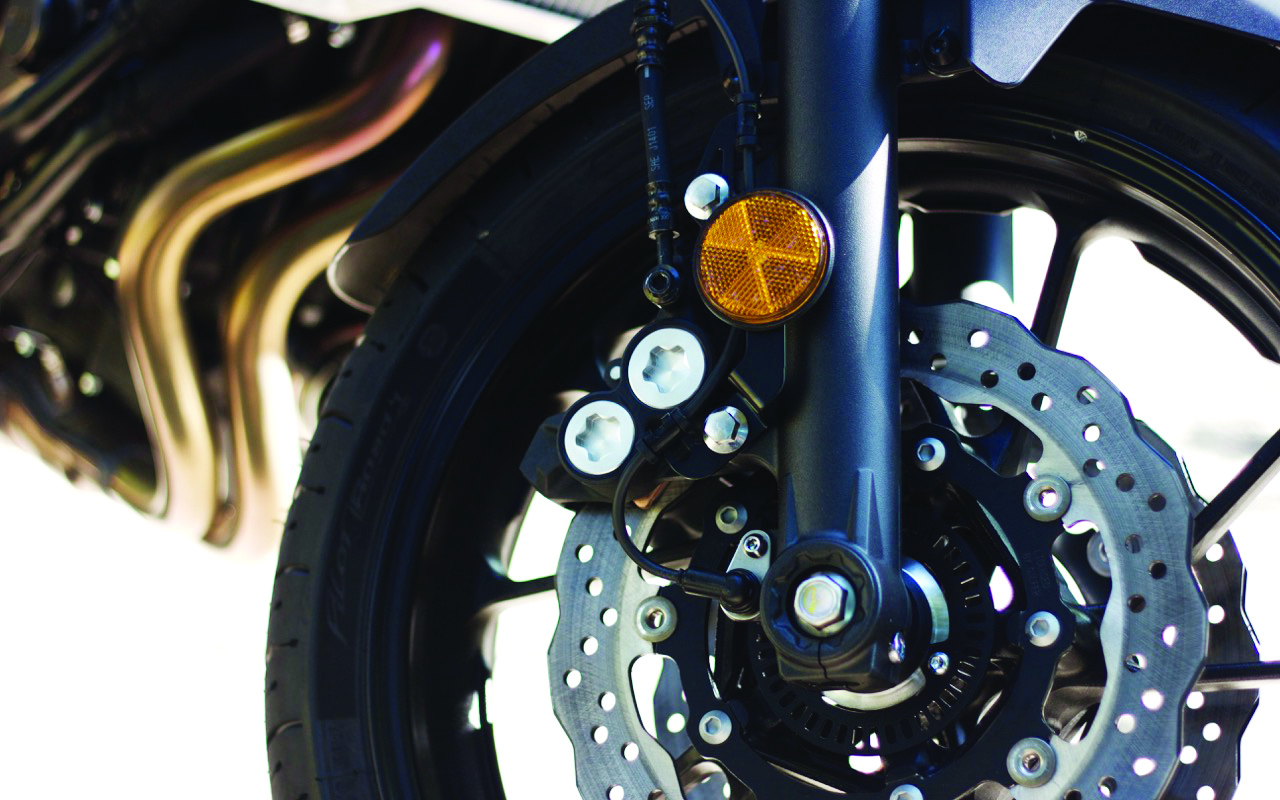
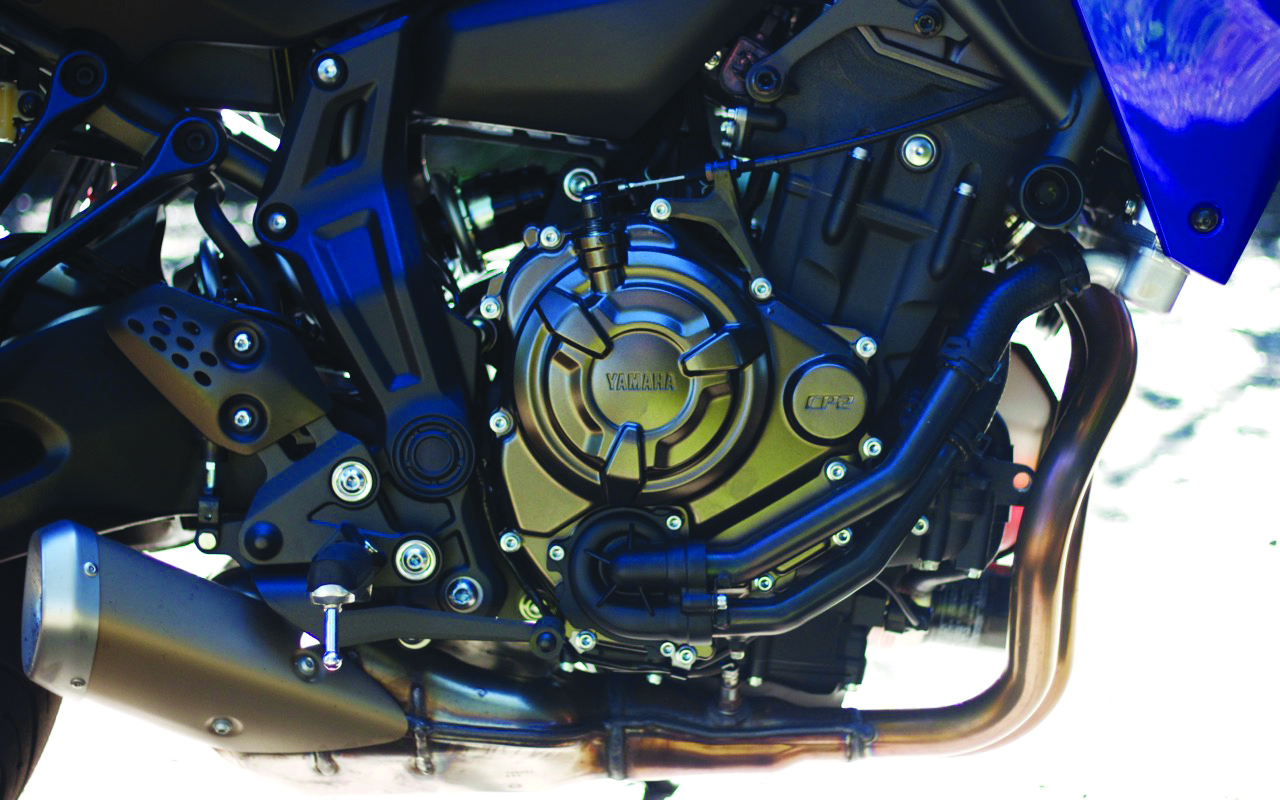
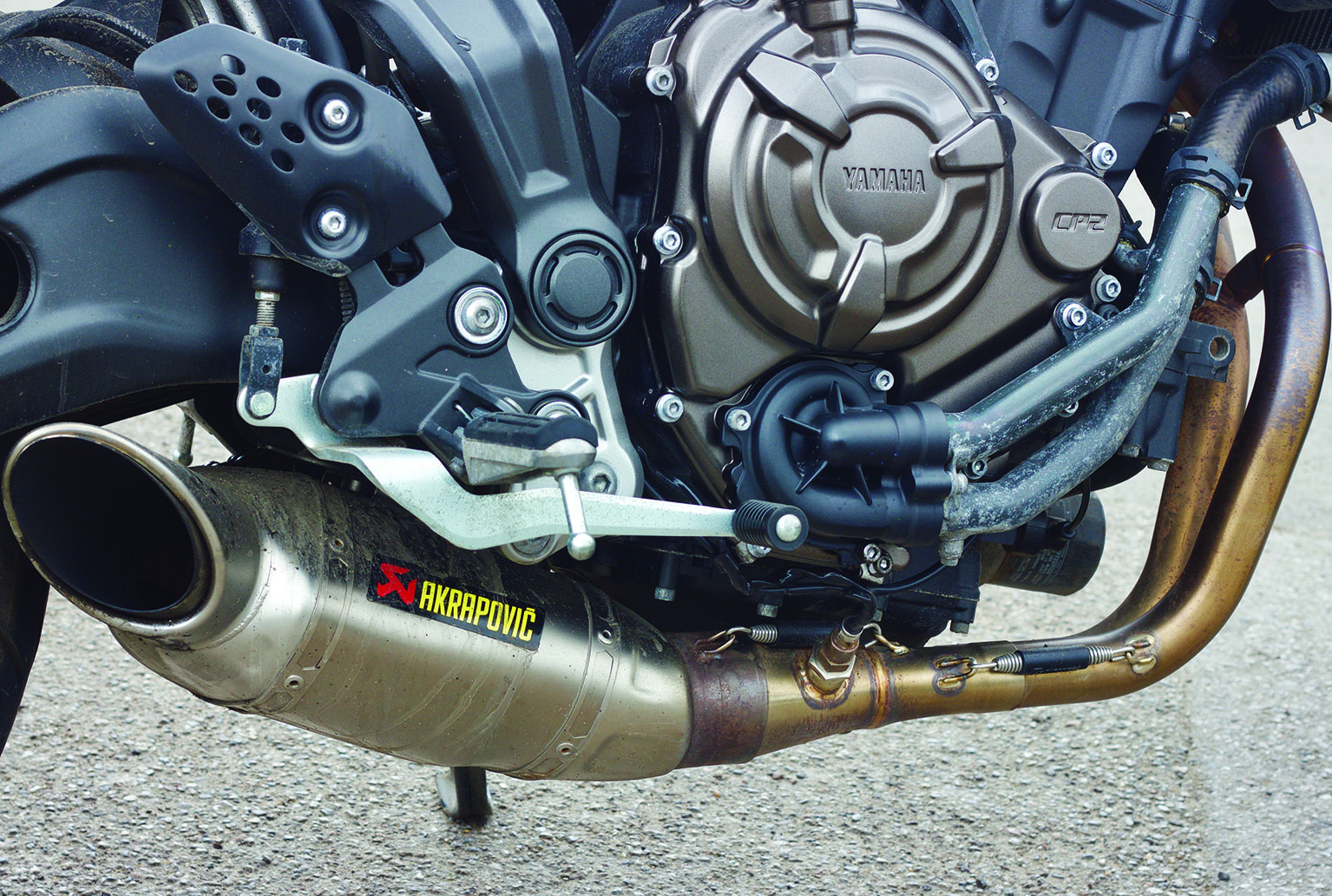
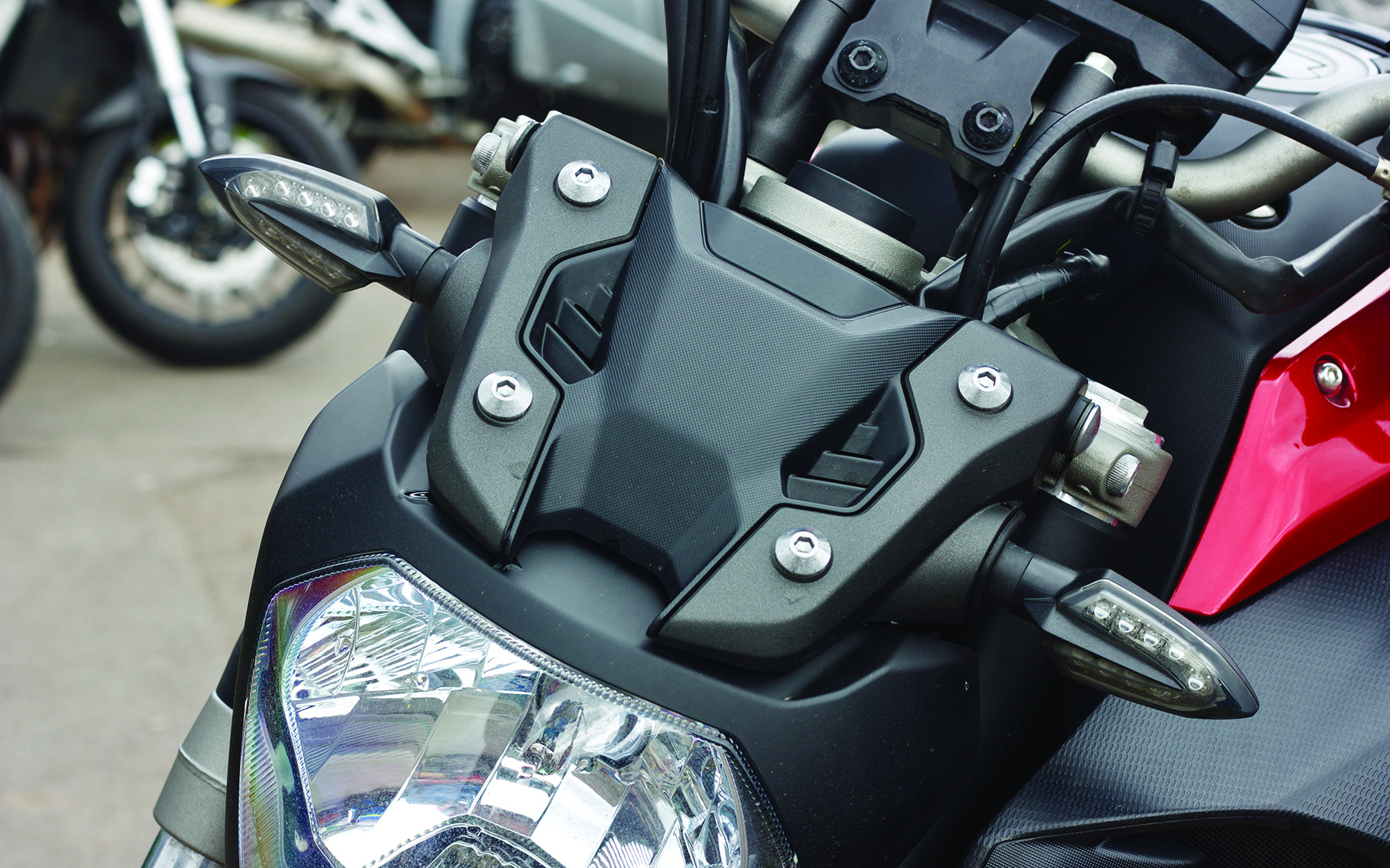
The first thing I did was add the LED indicators, to be brighter. I put them on the finance with the bike, and the dealer stuck them on before I got it. I changed the coloured side panels on the front mudguard, they used to be red, I changed those to be black so it’s just the tank that is red. Then I added the Akropovic exhaust, which completely changes it. I went straight home and pulled the baffle out and started it up. I immediately regretted the decision but couldn’t figure out how to put the baffle back in, so I just carried on! I’m glad I kept it out in the end, but going from a stock exhaust to an Akropovic with the baffle out was quite a big jump, so…

You may want to dig that one out for when MOT time comes!

Exactly…

Have you got any further modifications planned for the future?

A radiator guard, I’d quite like to get one to protect the radiator.

How come, why do you feel it needs protecting?

There’s a lot of grit in it, it’s a pain to clean it. Also talking to the guys here, lots of them say a radiator guard is a good idea, because it can get damaged quite easily. And then, a windscreen.

I take it you’re planning on doing some longer distance trips on it then?

Yeah, heading to Belgium with an Austrian friend who’s got a KTM, a 690 Supermoto. So I need to kit it out with touring bits rather than street stuff.  A windscreen is probably what I need for sixty-plus miles an hour.

Is there anything in particular you don’t like about your new bike?

I don’t like the pipes that run from the water pump to the radiator, because they corrode really quickly. It’s not even a year old and they’re really quite damaged. It comes with the price really but I know it’s a problem that Yamaha will fix for free under warranty. The dealer told me about it and recommended things like ACF50. I was riding it all through winter, even through the snow, and that’s probably why it’s started corroding. But that’s probably the only thing that’s bugged me.

And you say your dealer’s already agreed to replace those pipes under warranty?

Yes. They say it’s a known problem with the MT-07, and those pipes in particular. Often they’ll paint them for you, just part of the dealership service rather than direct from Yamaha. They said otherwise you’ll just keep coming back wanting them replaced.

But other than that you’re pleased with your choice so far?

Absolutely. It’s a first bike. I’ve ridden two other bikes; a 50cc supermoto which was awful, and the bike I learned on for my test, so I don’t have much to compare it to.

No plans to change it any time soon then?

No, absolutely not.

Nick Tasker was interviewing Oliver King
Nick Tasker was interviewing Oliver King.
April 2019

IN PURSUIT OF FUN – ANDALUSIAN STYLE (April 17)

January can be bleak in England, so in pursuit of fun and sun I flew to southern Spain. I have often wondered what trail biking is like – it looks so different to road riding. The bikes are different, and so is the kit.  The places are very different and the riding seems to follow different rules.

Tristam, my Observer 10 years ago (I was his first and only test pass), keeps a couple of KTM trail bikes in Spain for regular visits.  So I joined him in Mijas, near Malaga in Andalusia.

Down the coast I could see the Rock of Gibraltar and across the glittering Med the jagged profile of the Moroccan Rif mountain range.  The sun was warm by day, but there was a nip in the air and at night it was really chilly.

The coastal hinterland is ruggedly mountainous, but green in this season.  As if a giant bowl of noodles has been tipped on it, it’s a biker’s paradise of tangled dirt roads, trails, walking paths and animal tracks from one sierra to the next.  The mountains are scattered with rock, boulders, scree, scrub and gorse, bare red earth, varied forest and orchards of early-blooming pink almond trees.

This winter, the heaviest rains and snow in living memory have fallen.  River beds, streams, ditches, culverts and trenches cut through the landscape.  In places bridges and roads have been swept away.

There’s virtually nowhere a trail bike won’t go and you can get to places and viewpoints otherwise only reachable on foot or horseback.  Even so, wherever you roam, someone is usually within earshot.

The Adventure Rider Centre in Mijas, where Tristram garages his machines, was set up five years ago by Baz and Kaz, from Southport, Lancashire.  Baz is a cool and chatty dude who was an engineer, but lives to ride.

His partner Kaz has ridden bikes since she was six and is a UK SandAce champion. Her father started Southport’s Kawasaki dealership. She doesn’t ride enough now, she says, as she’s too busy providing an airport shuttle, managing the riders’ kit and doing the admin for their growing business. She gives the warmest welcome and kits out all the riders.

Tristram and I are booked into a comfortable local hotel with panoramic sea views and a fabulous outdoor pool, too cold to brave. At the Centre, Kaz kits me out with helmet, boots and full protective gear. All I needed to bring on EasyJet was an overnight case.

Baz and Kaz are supported by Dave, from Edinburgh, who takes care of a feet of bikes, mostly 250cc KTMs or equivalents. These may sound small, but they are really torquey and, just as important, they’re not too heavy if they fall and you have to pick them up again.

Baz takes Tristram and I out on the frst couple of days – a Swede called Andreas on days three and four. They have amazing skills and judge well how fast we are getting the knack of things.

Trail bikes cope brilliantly with this terrain, with long forks, soft springing, wide bars, huge torque and chunky rubber that bites into wet or loose surfaces. They will keep skipping along as long as you have the courage to keep up the revs and ride on.

I quickly learn to stand up on my pegs, gripping the bars loosely and steering through my feet. Gear changing not so easy, especially hooking up – down is a stomp. I try to keep my centre of gravity over the part of the bike that needs my weight most, going uphill or downhill. I use the clutch to manage drive to the back wheel when I’m most at risk of grabbing a handful of throttle, and brake hard going down steep inclines and slide if I must.

Above all, I try to look way in front, choosing my line through rocks, bushes, holes, trenches, water and roots well before arriving there.  You have to place your trust in the machine to deal with these hazards as it passes over them.

Falling off hurts – what’s down there is all hard!  Tristram had a heavy tumble on our first day out and he wrenched his shoulder.  As I write, he awaits surgery for a detached ligament and hopes he’ll be fit to sail in the Clipper Round-the-World Race starting in August.

Nick Houlton lent me one of his neat Helite airvests, and it proved itself a couple of times. In the end I put it aside – there are times when you just need to step away from the bike without an umbilical cord and those CO2 cartridges aren’t cheap! But for regular road riding or commuting the airvest must be worth serious consideration.

Trail riding with the Adventure Rider Centre can be pitched at any level from novice to expert, and you are in the hands of experienced tutors.  It’s addictively fun and I was really bitten. You just want to find out how much more you can do; how much further you can go.  But if you plan to sail around the world too, think twice!

Nick Caiger-Smith

The Adventure Rider Centre website is www.adventureridercentre.com

Baz (Barry Fleming) and Kaz (Karen Waind) run the ARC.  Flights to Malaga are cheap.  The riding is not, but your bike and kit are all provided. The Centre escorts and coaches riders in ones and twos or groups.  Insurance for off-road touring can be purchased through Endsleigh.

THE LONDON MOTORCYCLE MUSEUM (March 17)

It’s a Sunday morning in early November when everything’s suddenly tinged sharp white and it’s official – summer’s gone. The Ducati rattles as I watch her clocks reflecting engine and grips warming. It was my sixtieth a couple of weeks ago and Associate Pete persuaded me to celebrate. Over beer, we decided to visit the London Motorcycle Museum. It’s a place I’ve tried to visit before. In Greenford, West London, an hour away, a year or so ago I’d thought it well placed for an impromptu mid-week trip. On arrival the Closed sign had starkly dashed my presumption of normal working hours. This time though we took eccentricity into account. Minimal research showed only three days a week available to view what we’d heard to be one of the best local collections of old British bikes. We hoped a Sunday wouldn’t find the place too packed. Pitching up around 11 we rolled onto a large gravelly grassed car park, empty bar a car or two. The address is Ravenor Farm and in the 1920’s a farm it was, old barns and stable block reminders of less industrious times, swamped now by the bland modernity of dreary, inexorable, busy London sprawl. These days host to remains of the British bike industry, the museum was set up in 1997 by Bill Crosby, a long since retired London bike dealer who, from 1960 to 1973, hoarded a variety of choice machines. Some 150 are on display here, along with 50 or so other machines loaned by other groups, and it’s a stunning collection.

Pete paid our entrance fee – very reasonable as I’m now a senior, so I headed first for the outside loo at the back of the barn. I made it as far as a pretty little BSA Fury from 1971. There weren’t many of these about then and today they’re rarer than a chilled Trump voter. A 350cc overhead cam twin that could’ve beaten the Japanese at their own game, and this one is in lovely condition. Tearing myself away I’m confronted by a two-wheeled monster with the engine of a Mini Cooper and the frame of a scaffolder. The 1985 Austell, built in Maidenhead, probably best left there. I retreated outside, not least to avoid my straining bladder demonstrating the likely outcome of an Austell rider’s first corner. Returning relieved, Bill himself was in the tiny ‘Derek Minters café’, actually more a kitchen at the back with cabinets full of the racer’s trophies and leathers along with a couple of benches, some packets of crisps, biscuits and a fridge full of chilling cans. As we nursed cardboard cups of instant coffee Bill gave us the history of the museum, from its heyday on other sites in the 1990’s to the sad decline it’s now suffering due to the loss of grants and subsidies. It seems he’s actually having to sell bikes to pay the rent and I was shocked, though perhaps I shouldn’t have been given the equally shocking absence of any other visitors.

Once warmed through, Bill handed us over to James, a younger member of the family who’d just arrived on a characterful (read ‘oily’) 1960’s Triumph twin. He led us first to the restoration shed and oh my, there must have been a couple of dozen bikes sitting there in various states of disarray, from a trio of 1960’s supercharged Triumph racing combinations to a 1982 Thunderbird round the world outfit. We wandered amongst the machines, free to caress the patina of fading paint, flaking chrome and decaying seats, all to James’ running commentary covering every vehicle’s story. A couple of scooters, some drag racing trophies from 1964, an ancient and unique Triumph single in the middle of a rebuild, all with a story he was proud to relate.

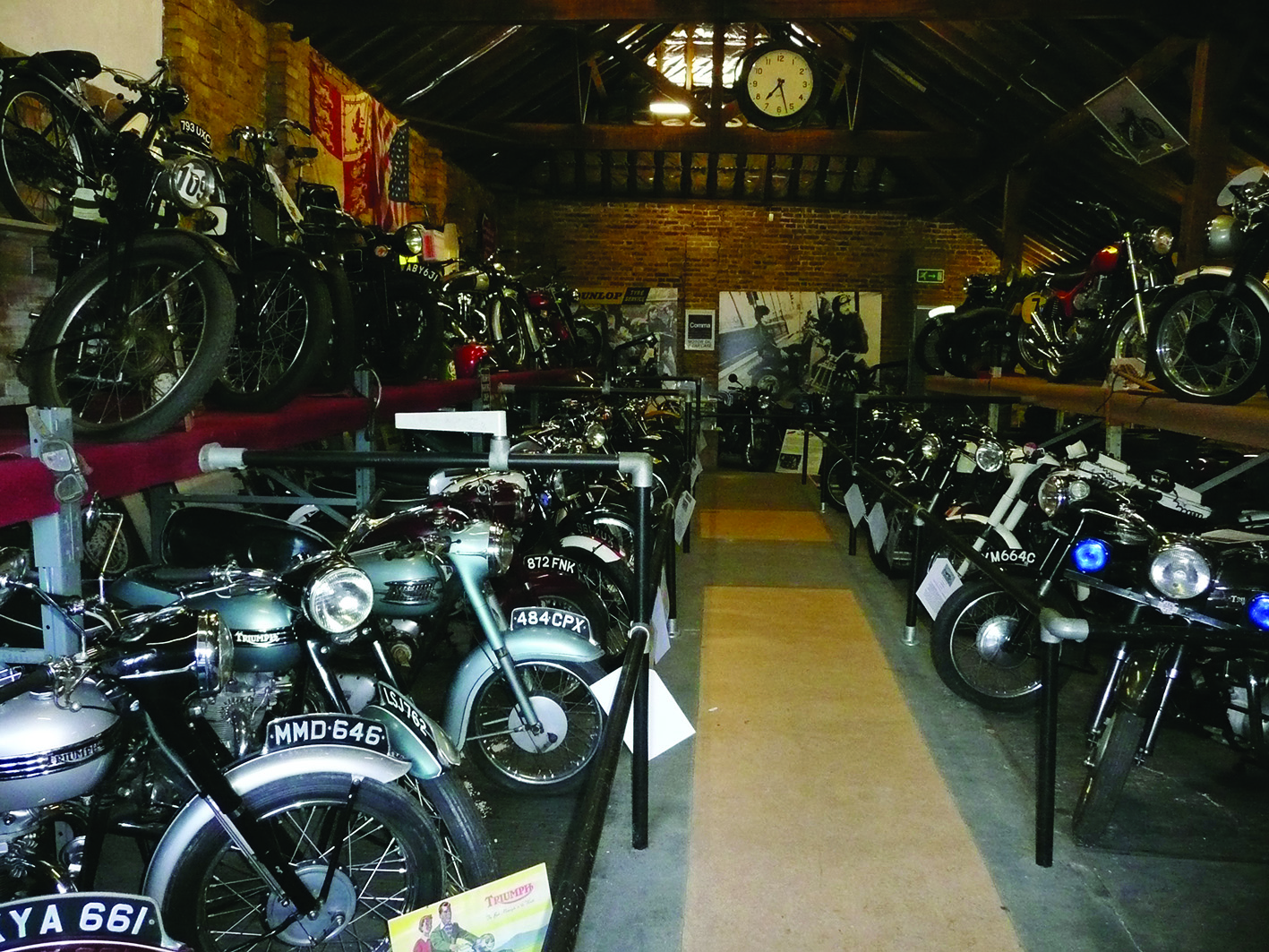
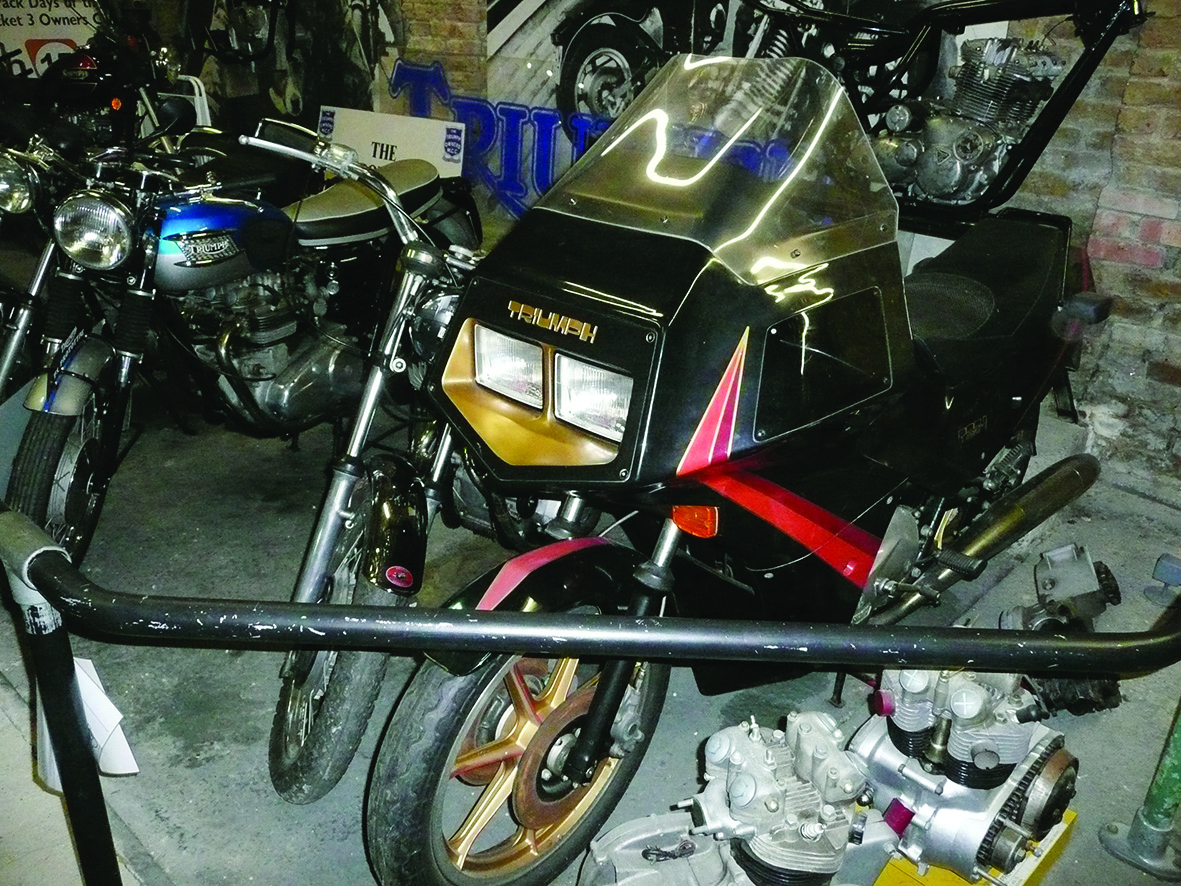
Most poignant to me was a 1977 Jubilee Bonneville looking very sad and corroded with just four miles on the clock. It was the same age yet a lot more valuable than my non-Jubilee version and the perfect justification for her current storage in my dining room. Next was the dedicated Triumph barn. James told us it held the biggest collection of old Triumphs in Europe, possibly the world, and yes, there are lots. And lots. From a 1905 500cc single to Bruce Anstey’s 2003 TT winning Daytona via an X75 Hurricane, a Slippery Sam Replica, a genuine Thruxton Bonneville, racers and flat trackers, customs and police bikes, all on accessible display, mostly in very good condition. There are rare prototypes, including the 1965 P1 triple (basis for the Trident, arguably the world’s first superbike), the 600 Daytona, the 1947 magnesium TRW and an overhead cam Rocket Three.

A bonkers but beautiful hand-built 1500cc V6 engine engineered from a pair of Trident lumps lurks in a corner, alongside a complete 1964 TR6 police bike from the Met’s Hendon workshop, carefully cut away and mounted on an electric rolling road showing the engine, suspension and gearbox internals in action at the press of a button. We were treated to Tritons, show and racing prize winners, the ugliest 1970’s ‘styled’ Bonneville you’ll ever likely see, the odd US style custom and the very last Bonneville to leave the Meriden factory.

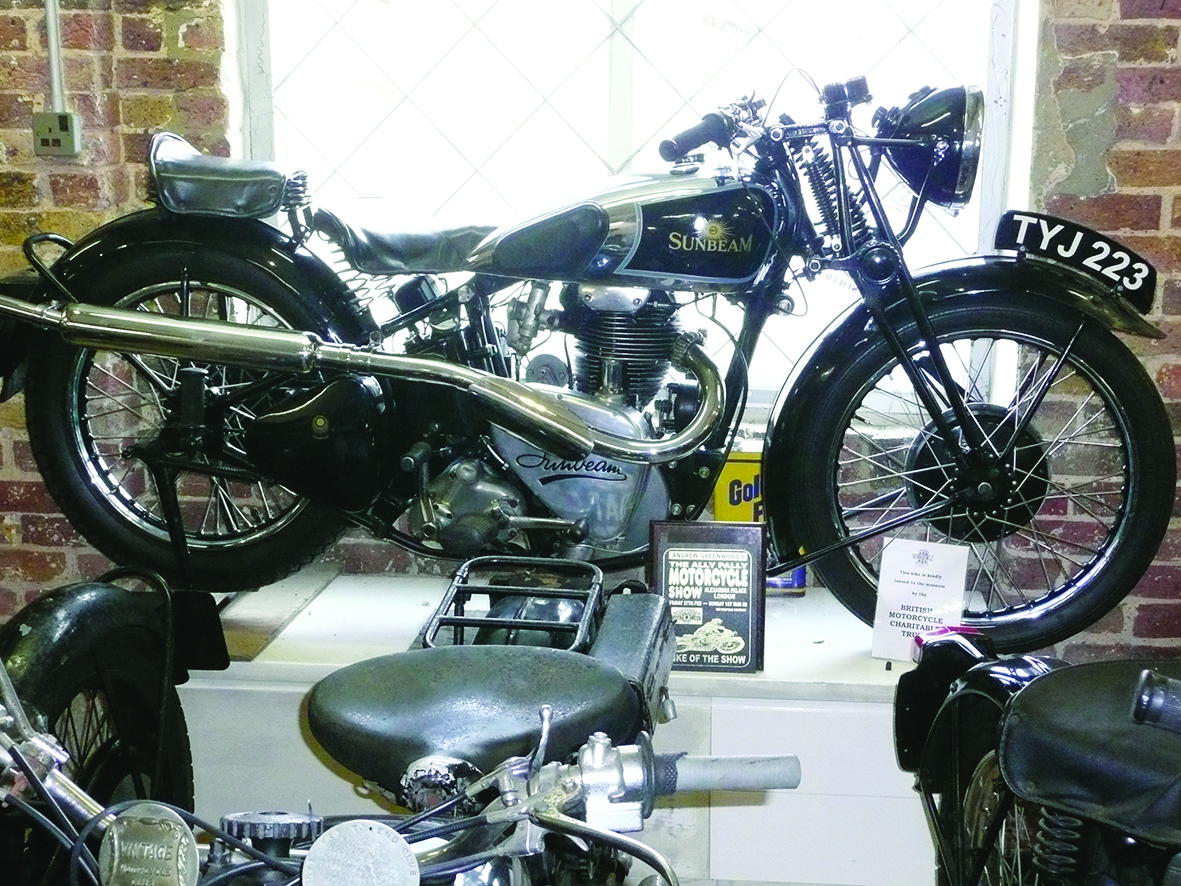
The variety is stunning, it’s a slice of beautifully preserved modern history that James knows intimately and is delighted to share. Drinking in that lot took a couple of hours and via another cardboard cuppa it was back to the first hall. Here there’s a much more eclectic collection. Amongst them is a 1923 Wooler 350 from a long gone local motorcycle manufacturer, a gorgeous pre-war Sunbeam, a stately Brough, a racing Velocette, a couple of Vincents and various BSAs, not to mention a Coventry Eagle, an EMC, the original Dads Army ARP combo, a Royal Enfield that reached Antarctica and stacks of memorabilia, including period posters, articles, advertising and clothing. Most close enough to touch and all with personal commentary, any question expertly fielded by James or his mother, who had abandoned the boredom of the entry desk to join us. That was another hour gone, and in the whole time we’d been there we’d seen no more than three or four other visitors, most of whom seemed to be friends of the owners. We bought a few souvenirs and, peckish now, cast a last long look over the barn before heading to the Ace Café for a late lunch. Ten minutes away it was, even on this cold dull Sunday, seething. At least fifty bikes outside, some sports, some adventure, some classics, even some pretty little new wave customs, owners milling about outside and inside enjoying the buzz of the Rocker vibe plus delicious food and friendly, efficient service.

As we ride home, replete, through the dank darkening twilight drizzle I wonder if maybe that was why the museum doesn’t get even a small proportion of the Ace’s clientele? Tastes change as customers sample fresher, more reliable fare and these days even nostalgia is not authentic until it’s bang up to date. Still worth the trip back though.

www.london-motorcycle-museum.org

Nick Vale

Riders Ride (March 2017)

Welcome to Rider’s Rides! Each month we’ll feature a TVAM member and their bike, talk about why they chose that model, what they use it for, as well as what they like and dislike about it. Want to see your bike featured? Get in touch at pressofficer@slipstream.org

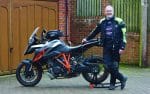
This month we have our Chief Observer Pat Coneley and his KTM:

So what bike are we looking at here?

A KTM Superduke GT.

And what does the GT stand for?

Well, it’s the kind of touring version of the Superduke. The original Superduke was a naked bike – same engine, same frame, slightly lighter. With the GT they’ve engineered some integral panniers, giving it some touring capability. They’re styled with the bike, and as panniers go, they look pretty good. They’re not huge like those on a GS, but they’re big enough. Fortunately they only have to cater for one as Amanda has her own bikes. She carries her stuff, I carry mine.

How long have you had the bike?

I bought it last May, so around ten months  – 13,000 miles.

Did it replace another bike or is this an addition to the garage?

Replacement. I already had a KTM, an 1190 Adventure, for three years. I think I put 36,000 miles on it. I don’t really have any off-road aspirations, so other than a few rocky tracks abroad on holiday it was only ever a tarmac bike. I figured why not try something a little bit more road focused with a smaller front wheel? I don’t particularly like bigger front wheels, find them a bit vague. KTM launched the GT, I tried it, and that was it, I fell in love.

What in particular is it that draws you to KTMs?

Well, if you cut me in half I don’t exactly bleed orange. I’ve had Honda’s, Suzuki’s, quite a range of bikes, but I like V-Twins, I like the power delivery, that punch, and I like the fact that they’re very slim-waisted, which my older ZX-9R was not. I like that slimness, both from a handling point of view, and from a filtering point of view. I like lighter bikes, and while the GT looks pretty big and heavy, it isn’t. It’s not that much more than 200kg dry, so 230kg fully fuelled, and it’s quite a big tank.

And 170 horsepower…

Apparently!

Do you agree that the safety nets on modern high-end bikes are a reflection of a rider demographic that no longer has the strength or skill to handle these increasingly powerful machines?

I do think it’s a factor. Manufacturers are being encouraged to produce bikes of such power that the only way that we can make them rideable for inexperienced riders is to inhibit them electronically, to which you could argue, well why do we bother? I know I’m riding one, but why do we need a 170bhp bike if it needs electronics to reign it in? I made reference to my ZX-9R, that was an old-style full-fat sportsbike; it didn’t even know which gear you were in! If you were daft enough to ask for it, it would give you 140bhp in first gear, which would loop it. The traction control was just my right hand and brain, and there’s something nice about that.

Many bike magazines praise traction control and ABS as a great way to enable us to ride faster than ever on roads, while others dislike them for encouraging people to rely upon the computer too much. What’s your view?

I think anything that makes bikes safer is a good thing. My view is that we ought to develop the skill to not need these things, but developing that skill safely could be quite a hazardous process. Within TVAM we encourage people to develop the skills stage by stage in a supportive learning environment with courses like Look Lean Roll and Advanced Braking. But to put an article in a magazine and then suggest to people they then go out and try all, that is probably not a good thing, and not very responsible.

So they may be good training wheels then?

Yes. And by the same token, if the planning does go wrong, if there suddenly is something in front of you, a truck coming the other way, and instinct tells you just to grab a handful…ABS can be a real lifesaver.

So which dealer got your business in this case?

Premier Bikes in Didcot. I’ve known them for quite a long time, and they’ve been brilliant. And what I liked about them is that they’re very straight. When KTM introduced the 1190 Adventure it was a new bike to them, and what really impressed me was that they were completely honest if they didn’t know the answers to my questions. That gave me a lot of faith in their workshop, which I still have. They’ve been brilliant.

Have you had any technical problems or anything with this Superduke or previous Adventure that needed it to go back to the dealer?

I’ve had a number of recalls as with a lot of bikes, but nothing that stopped me on the road. A couple of punctures, but I don’t blame KTM for that! Some niggling things, like the horn – KTM horns seem famous for not working when they’re hot. They’ve had the pin on the side stand, the bit you hook your foot on – they’ve had a number of those fall out. In fact, mine as well, but that’s not a particularly big deal, they sent me a new one and I screwed it in.

Have you installed any additional accessories or made any modifications to the bike since you bought it?

I put the Satnav mount on it, I put wiring in for heated gear, and that’s about it. There’s the Givi tankbag, but I quite like keeping bikes standard. I’m not a great fan of loud cans, I find them tiring. They sound fantastic when you hear one go by, but if you’re riding it for 300 miles it can get a bit wearing! And the standard exhaust on the GT, it’s got quite a nice sound.

This is obviously more of a road bike than your 1190 Adventure was. Have you found that riding the Superduke GT has changed your riding style in any way?

Yes, slightly. The weight distribution is probably the same as most bikes, but I’ve found it’s shorter, so if I’m snugged up to the tank I’m quite close to the front end. I find it easier to go deep into a bend, counter steer it hard and gas it out, and it encourages that kind of riding. On the Adventure I was a bit more planned about things; I’m not sure if it’s a good thing or a bad thing, but it’s an awful lot of fun!

And the handling is phenomenal; a very easy bike to turn, which translates into some benefits. I can get the bike leaned quicker, so I’ll often find I don’t need to lean it as much, and corners are about average lean rather than maximum lean. You see riders who tend to turn the bike very slowly because they lean their body, so they bring the lean on quite slowly, which means you’ve often got to lean it over quite a long way to get around a corner.

Is there anything you miss from the Adventure?

I can’t do 250 miles between fill-ups, but I don’t have a 250 mile bladder range, so…

What are the least favourite aspects of your GT?

Cleaning it? Like most naked bikes it’s a sod to clean! But you can get in to most of it, it just takes a while. And it’s better than the 1190 – the Adventure had spoked wheels, I don’t know if you’ve ever had a bike with spoked wheels?

Yeah, I avoid them like the plague for that exact reason.

The Superduke has got cast wheels, and they’re quite a nice rounded shape so it’s easier to keep clean than the Adventure was. And the ignition key’s a fiddle to get at with the tank bag on. Unlike most bikes where it’s in the steering head, here it’s set further back in an infill panel in the tank. It’s only a tiny thing but it is a fiddle.

So far you’re pleased with the bike then?

Yeah, it still makes me smile, still makes me laugh after ten months.

Nick Tasker was interviewing Pat Coneley

First published in Slipstream March 2017

London Motorcycle Show (March 17)

The London Motorcycle Show is the one I almost never think I’ll attend. Coming just a couple of short months after the trinity of Intermot, EICMA and Motorcycle Live, it’s always going to suffer a little bit from show-fatigue. Whereas the big European events give you the chance to see the latest machinery just days after the press, and Motorcycle Live is the one everyone goes to because it doesn’t require international travel, the London show doesn’t usually offer anything you haven’t seen before.

And yet, after spending the coldest, darkest, and these days, wettest months, either fighting the weather on the way to work or wistfully dreaming of drier days to come, it’s easy to see why so many of us jump at the chance to nip into town and spend another whole day fantasising about what two-wheeled wonder we’ll certainly save up for next.


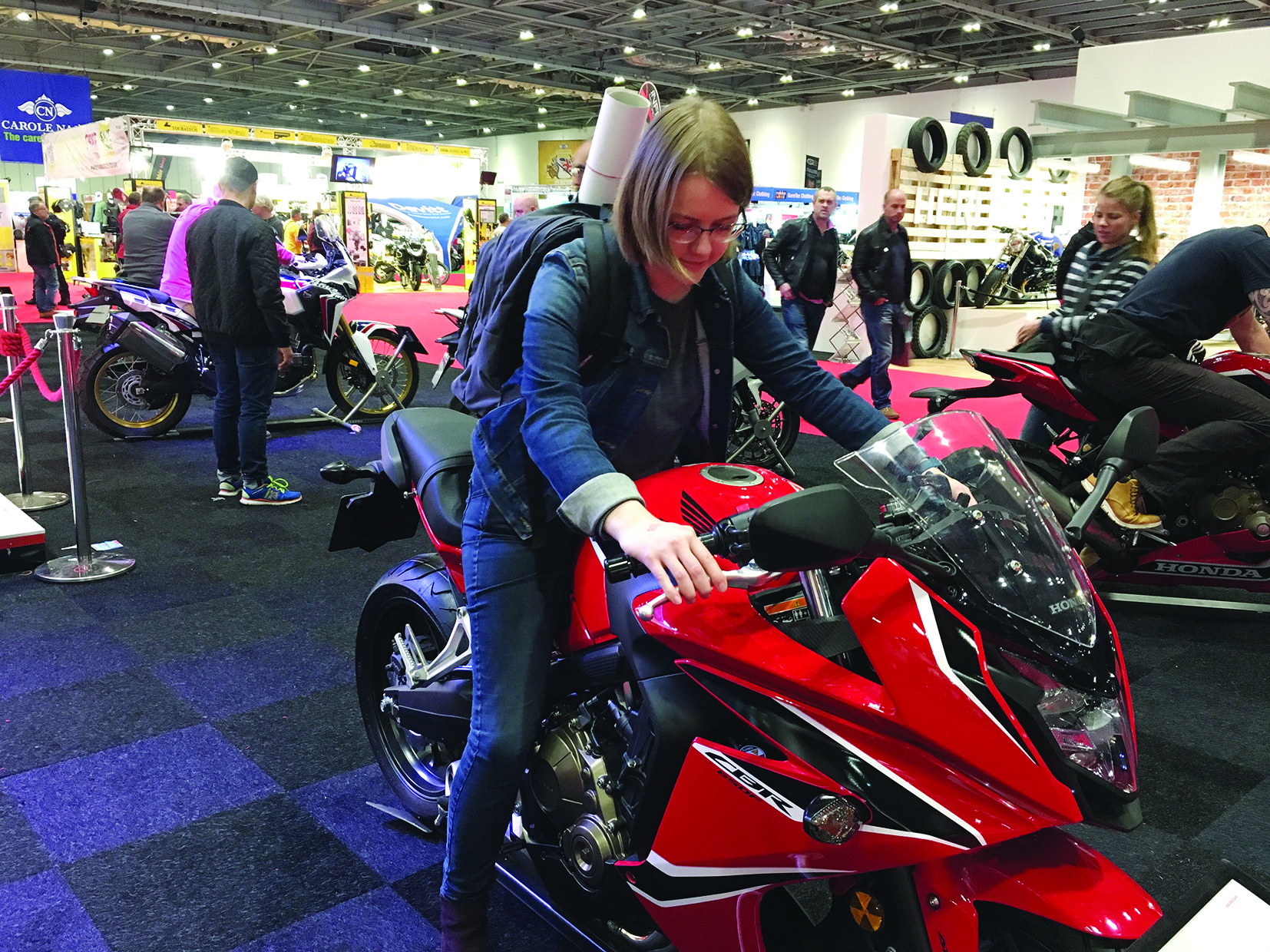
This year I had an additional motive for attending. Two female friends of Rosa and myself, one prepping for her CBT and the other considering a return to biking after many years away, would be joining us. Bringing two newcomers to a modern motorcycle show must be like taking a pair of children to Disneyland for the first time. They want to look at everything, sit on everything, and ask questions about everything. And the excitement is infectious.


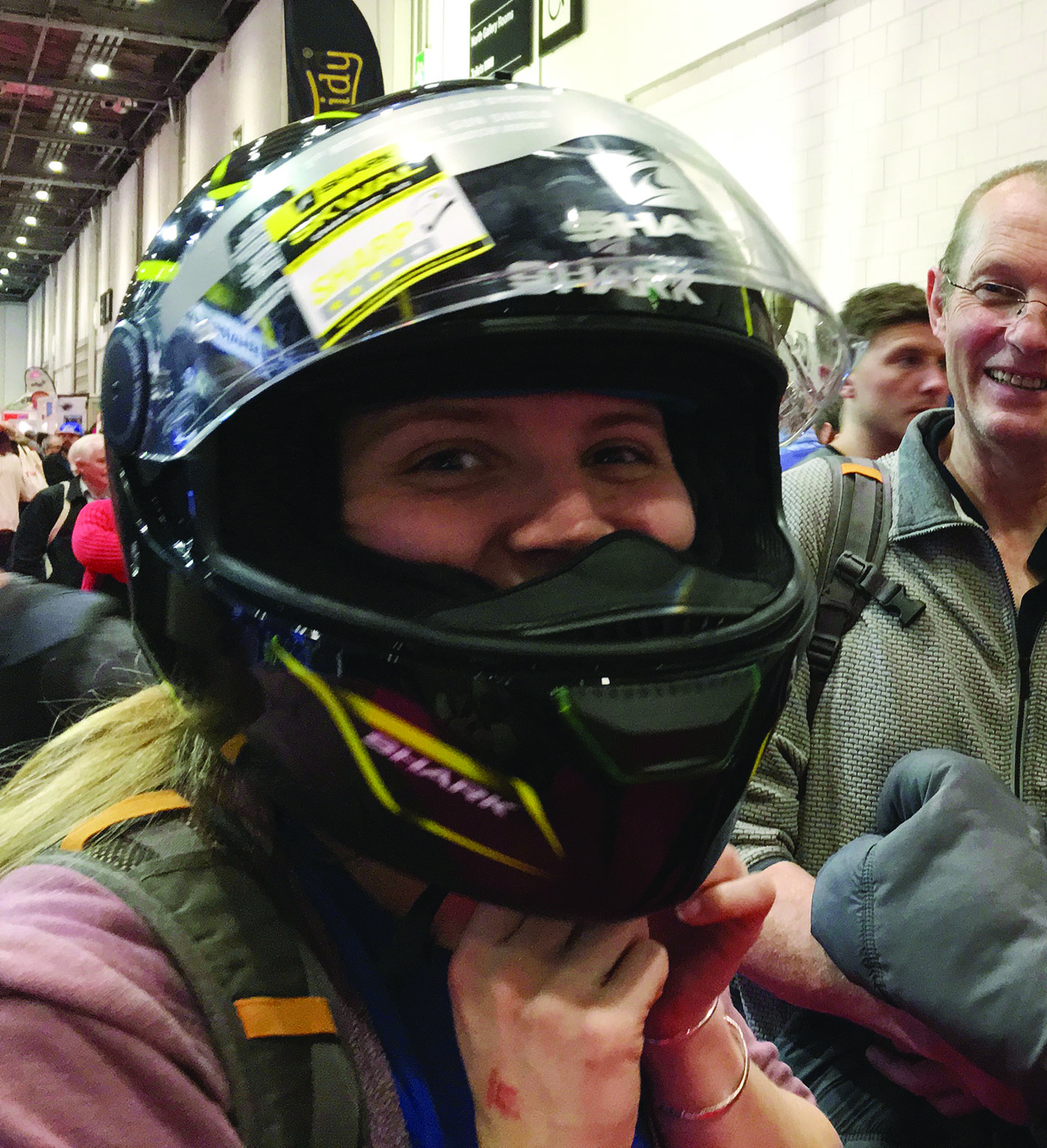
Some of us have been riding so long that we can take the basics for granted, but to these two, Suzuki’s new GSX-S125 was the most exciting thing they’d seen in years. Do any of you remember shopping for your first helmet or gloves? Turns out it’s pretty damn exciting.


It was also interesting attending a motorcycle show with three short women, particularly after Louise Dickinson’s seminar at the Observer Training Day on the challenges finding small, light bikes for those significantly shorter than six feet tall. I led the procession through the various manufacturer stands, pointing out the bikes I thought they might find interesting, or at least useable.


And you know, it’s funny – if you spend a day ignoring the high-powered exotica and focus on the smaller stuff you realise that the 200-500cc class has really exploded in recent years, both in choice and quality. I remember ignoring bikes like the Kawasaki Ninja 250 when I was learning to ride. It was cheap and nasty, both aesthetically and in workmanship.


But the new Ninja and Z300s are as premium as you like, with quality paint, fittings and parts. Ignore the obvious power deficit and the KTM Duke 390 gives up precious little on its bigger brothers, and Yamaha’s new R3 and MT-03 twins are clearly designed to instill as much pride of ownership as any R1 or MT-10. What’s more, weights are down and power is way up compared to the older generation of post-test tedium. These machines are pushing 44 horsepower at the top end, while barely weighing twice that of the average rider. You tell me that doesn’t sound like fun!


Even better, if you’ve spent the last few years coming to the conclusion that £10,000 is the new normal for large-capacity all-rounders, discovering that you could buy two 300cc bikes with change to spare is a revelation, and a real threat to one’s impulse control. PCP payments on bikes that cheap are barely more than the average phone bill…


This is really great news for Rosa and her friends. None of them are scared of speed or power, but it isn’t anywhere near as attractive to them as low weight, seat height and price. The fact that there’s more choice than ever for shorter riders can only be good news for all of us. I’ve never been more optimistic about the future of biking than seeing how surprised and excited these women were at discovering that motorcycling wasn’t just for tall, rich men.

And then MCN almost went and ruined the whole thing by showing up with a bunch of stick-thin models in skin-tight lycra, posing for photographs around their booth. Not a great way to make my female friends feel like they were welcome at the two-wheeled party. It was almost enough to make them want to cross the hall to the bicycle and fitness show instead, where women are treated as customers rather than eye candy.

But all in all, it was a great day out, for us and our friends. One has her new helmet, the other has fallen in love with Triumph’s new T100, and I’m trying to figure out if I could squeeze a Kawasaki Z300 in the garage. It is Rosa’s birthday soon…

Nick Tasker

Is this Spring?

The sun was (nearly) shining on Sunday for the February St. Crispin’s meeting but the warmer weather brought members out, with 240 bikes in the car park and 8 first timers welcomed by the Meet & Greet team.

Spring could be a few weeks off yet but the popular Green Team social ride set off to Goodwood for coffee with a stop at Loomies on the way back.

As the National Observer programme continues we had three new NOs joining the test passes and a new Local Observer on stage to collect their new badges.

Next month is the AGM where snacks will be provided before the start.

Riders Ride (February 2017)

Introducing a new feature here in Slipstream: Rider’s Rides! Each month we’re going to feature a TVAM member and their bike, talk about why they chose that model, what they use it for, as well as what they like and dislike about it.

Want to see your bike featured?         Get in touch with Nick Tasker at pressofficer@slipstream.org

This month we have Kathy Drogemuller and her new Harley-Davidson Sportster Iron 883:

So Kathy, how long have you had this particular bike?

2 weeks and 90 miles!

So it’s new then! Why replace your previous Sportster?

My bike was beginning to look a bit tired. It was at 20,000 miles and was due a service. Both mudguards were beginning to rust and needed to be fixed and I’d had a small ‘off’ in the summer which left a few scrapes and scratches (on me and the bike!). Coming home from the last 7Ws, Dawn Armstrong was travelling behind me and had to stop to pick up the heat shield from my exhaust, which had fallen off. But probably the biggest reason was that I’d been riding the SERV bikes and found the FJR an absolute dream to handle – you only have to think about going around a corner and before you know it you’re gliding round smoothly. I was beginning to realise that perhaps my riding was limited by my bike.

I don’t think I’d be able to keep up with you on an FJR, but I see you went with HD again…

I am still a dedicated HD fan – I love the rumble and there is a kind of kinship (for better or worse) between HD riders, maybe because we have to put up with so much teasing from other bikers. For me there’s also an emotional connection to the brand after I lost a friend who was a Harley rider (not in an accident I should add).

It’s true; nothing looks or sounds quite like a Harley! But presumably there were some specific features you were looking for this time around?

I wanted a tank size that would allow me to travel more than 70 miles in one go – that effectively discounted the forty-eight range – and more ground clearance. Often, on cornering, my pegs would scrape the road surface. Whilst a good indicator of whether I still had room to lean over, it tended to be a bit of a distraction.

I’d agree that most Harleys aren’t suited to more progressive riding! Which lucky dealership got your business this time then?

I visited the Reading dealer one sunny Saturday to do some test riding. Budget was a bit of a consideration as anything over £10k would probably lead to my husband filing for divorce (although I would argue that divorce is much more costly than a mere £10,000) so that discounted a number of models. I also wasn’t too sure at that stage how much I would be offered as part-exchange for my current bike.

Did you try anything else or go straight for the Iron?

I took out the 1200T, but found it rode as low as my Sportster, plus it was equipped with windscreen and panniers which added to the cost but didn’t really add to the style. I also tried the forty-eight, but the peanut-size tank just wasn’t going to be up to the job. Next I tried the Iron. It definitely has higher ground clearance than the Sportster and I felt quite comfortable sat astride it. I took one out for a ride and an hour later returned to the shop with a big grin on my face. I felt like Steve McQueen on this raw machine. Not the dream handling of the FJR but far easier than my Sportster.

Were you at all tempted by the extra power of the 1200 Sportsters?

There was a used one on the shop floor which had stage 4 upgrades fitted. The salesman seemed was very reluctant to let me take it out. Perhaps he thought I wasn’t serious? Eventually I was allowed a brief spin around the block and – to be honest – that was all I needed. I cautiously pulled out of the dealer car park and it was just as well I did as even then the front wheel was trying to lift. It was certainly peppy! It turned out to be too much really and felt as if I were riding a wild pony on caffeine.

Were they any more cooperative when you fished out your credit card?

I’d been given a trade-in price of £2700 for my Sportster and told that there was probably room to move on the ticket price of a new Iron, but I would need to come in and sit with the salesman and big bad John, his boss. They were expecting a shipment at the end of November but there was only one black ordered for the whole of the south and it was likely to go pretty fast – the sales talk was beginning to creep in but I wasn’t in a rush. A few emails and phone calls passed between the salesman and I as he encouraged me to come in to meet with John. But still there was no definitive price cut.

Then one afternoon I decided to see what else might be on offer and called the Harley dealer in Guildford. The salesman there said he had a 2016 demo Iron with just under 600 miles on the clock in charcoal. Was I interested? Within 20 minutes I had secured £800 off the full list price, been offered an additional £300 trade-in on my Sportster and the first 1000 mile service included in the exchange. £500 deposit and the bike was sold! I later mused over the fact that I had just bought a bike I hadn’t even seen – but then so had the dealer.

Sounds like a heck of a deal! But the salesman surely didn’t let you get away without selling you some accessories?

No. I added a smokey-grey windscreen and a black luggage rack to the order. Before the exchange, and with the kind assistance of the guys at Mel’s Motors, removed some of the extras I’d added over the last 3 years of Harley ownership. The weather was beginning to turn cooler so I was very keen to keep possession of the heated glove connection, in particular.

It has certainly been very cold and wet. Did you brave the elements yourself or get it delivered?

When told that the parts were in and fitted, I took my old bike for one last ride to Guildford to seal the deal. Paperwork completed and road tax paid for online, I was heading home with just as big a grin as I had experienced the first time I rode the Iron.

Sounds like you’re enjoying it!  What’s your favourite aspect of the new bike?

The digital control display, which shows revs and which gear you have selected. I also like the position and design of the handlebars which are not as chopper-like as my previous bike. Also the higher ground clearance!

Any future modifications, accessories or upgrades planned?

I might opt for the stage one upgrade (although not necessarily with the pipes) as I’m told that might give me slightly better performance.

What sort of riding do you plan to do?

TVAM trips at home and abroad.

And so far, are you pleased with your purchase?

Yes, thrilled!


Nick Tasker was interviewing Kathy Drogemuller

First published in Slipstream February 2017

DIY Heated Jacket

A few years ago I found myself commuting about

an hour each way through the winter and, as the weather got colder, I started to think about electric-heated jackets.  Something all heated jackets seem to have in common is that they’re quite expensive, and I’m a skinflint.  A bit of internet searching found a few people who’d made their own (one of the better write-ups being by a chap called Ken Hastie whose website seems to be no more) and so a project was born.

First a bit of theory

Ohms law: V = I x R (volts = current x resistance)

Joules law: P = I2 x R (power = current squared x resistance)

Hastie had gone for 65W, but I felt that was a bit high compared to jackets you could buy so decided to aim for 55W.  A bit of maths gets us R=V2/P, and my TDM 900 puts out around 14.6V, so I needed the jacket to have a resistance of about 3.8 ohms to get my 55 watt target.

A roll of 30 AWG wire from RS came to £17 delivered.  This is supposed to be between 0.3 and 0.4 ohms per metre. I could have bought cheaper wire but I used the Teflon-coated stuff which is good to 200 degrees C and should be a lot tougher than a normal plastic-coated wire.  I cut a 12m length, measured the resistance with a multimeter, then worked out that 10.5 metres should give me about the right resistance.

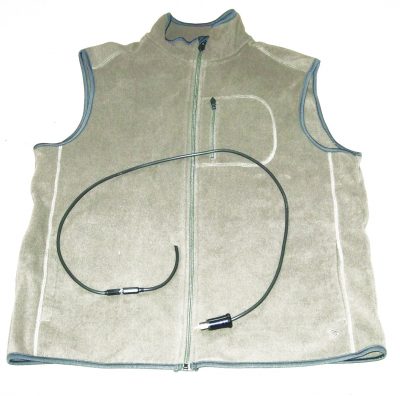
A lot of the people I’d found online had built the element into their jacket liner but, not wanting to risk damaging my liner (and not knowing the melting point of Gore-Tex),  I found a cheap sleeveless fleece in M&S for £15. I laid out the wire using tape to hold it in position to start with then, when I’d worked out where it all needed to go, I marked it up with a felt tip and spent a couple of evenings practising my needlework.  I went for a similar layout to Hastie, a vertical pattern spaced about 2” apart with an extra horizontal loop at the base to allow me to line it all up correctly at the end.

The wires end in the right hand pocket, where they’re soldered to a thicker cable which pokes through the fabric, I’ve then used a standard DC power connector to join it to a longer cable with a DIN plug on the other end to plug into the bike. The idea being, if I forget to unplug it the inline connector should come apart without damaging anything, plus when I get off the bike and wander off I don’t have several feet of cable trailing on the ground.  I wanted to use a 5mm connector like the ones used by most laptops but couldn’t find an inline socket so settled for a standard 2.5mm.  In hindsight I should have gone for something like an SAE connector as I’m on the upper limit of the capacity of the 2.5mm one.

Once finished I measured the resistance of the whole thing as 3.7 Ohms, which works out at about 57 Watts, and 3.9A. Increased resistance with temperature means at 40 degrees this drops to about 52W, although I’ve never measured the temperature. I fitted a DIN socket inside the left faring of my bike, with an on/off switch on the dash.  My auxiliary electrics are all on a switched line with a 15A fuse, but I’ve also put a 7.5A fuse on the line to the left-hand socket.

My first test ride was at 9 degrees and I had to turn it off at town speeds as I was getting too hot.  At higher speeds it was like leaning on a radiator.  I decided to add the extra 1.5m of wire I’d cut from my initial resistance test back in, which dropped it to a much more useable 50W.  Having never tried a heated jacket before I don’t know why I didn’t do this years ago, the difference is fantastic.  Keeping my core temperature up keeps my hands and feet warmer and makes winter riding a much more pleasurable experience.  It did a magnificent job of keeping me warm all winter, including the morning I found a car on its roof having slid off the road on sheet ice.

I still think it’s a little warmer than it needs to be though, so I still often turn it off at lower speeds.  I did a write-up on it on the TDM owners forum and someone pointed out that you can buy 10A DC motor controllers on e-bay for under a fiver.  These are pulse width modulators that give you a lower power by rapidly switching the voltage on and off.  The pulse duration, and therefore jacket temperature, is controlled by a rotary dial that could easily be fitted on the dash.

However I finished that job and spent the next winter commuting 9 miles instead, so the jacket now only sees occasional use and I’ve not got as far as fitting the PWM.  The jacket’s still going strong though and as it’s currently 4 degrees and sunny I think I might be about to get an outing this morning.


Total cost was about £35 plus a couple of evenings of my time, but I only used half the wire so it’s only really cost me £27 with enough wire left to make a jacket for the wife if she ever starts winter commuting on her bike.

Chris Gray

MY NEW YEAR’S EVE WITH THE BOYS IN BLUE

Last November I sat down with my Associate for a run debrief over a cup of tea in the Fox and Hounds. We got talking about his day/night job as a Police Sergeant stationed at Bracknell. I mentioned to him that one of my ambitions in life was to ride in a police car with lights and sirens going in a high-speed chase. I didn’t think much of it until Peter said, “No worries, I’ll sort the paperwork out and be in touch”. Well, true to his word, a few weeks later I heard from Thames Valley Police asking which dates I’d like to go and that they would run background checks to make sure I wasn’t some kind of unsavoury character!

One of the dates given was New Year’s Eve. In my younger days I was more likely to be in the back rather than the front of a police car on that date, but these days with a young son, I’m more likely to be on the sofa with Jools Holland and a beer. I turned up eager as a beaver for 4.30pm at Bracknell Police Station to be greeted by my Associate. I came prepared with a large tin of biscuits which went down well with the other 12 officers. We started with a team brief video linked with Loddon Valley station, as between them they cover parts of Reading, Wokingham, Bracknell and the outskirts. After a rundown of all the bad people to look out for and 999 calls they’ve logged, we were out doing the P.O.W.D.E.R checks on the car.

I was paired up with my Associate. His Sergeant role is to lead and support his officers in Bracknell. We started the evening patrolling the streets of Bracknell in our trusty Astra (with a bit of a shuddery reverse gear) listening to the radio for various calls coming in about dodgy BMW driving and 125’s without lights.

My ambition was finally fulfilled at 8pm when we put on the blue flashing lights and sped out of Bracknell and down the A329M on the look-out for a Mini that had nearly hit a police van and then failed to stop. Tucking into a layby near St Crispin’s School we lay in wait but sadly it evaded us this time. Fortunately, a few hours later, one of the team in an unmarked car found the Mini driving around erratically and the chase ensued. Other traffic units from Reading got involved and we excitedly parked up on J11 motorway bridge waiting for the car to come past us and be pulled. Travelling at a dangerously slow 40mph on the motorway the Mini finally pulled into Reading Services for fuel and was apprehended. So no stingers or high-speed stopping manoeuvres this time, but still really interesting to listen in on how everyone pulls together.

You may be thinking what has all this got to do with our bike club? Well, other than an extremely interesting night for myself, I wanted to write a small piece on what an excellent job the police do in protecting our lives. If you ever have to call them I’ve seen first-hand how quickly they react and with such professionalism. I’ve also attended Bike Safe courses as I’m sure many of you have, and they always recommend joining TVAM. The Observer core are trained by ex or serving Police riders and the National Observers are examined by ex-police riders. All in all, the Police are involved with us, and I for one feel safer because of it.

If you are interested in becoming a Civilian Observer and wearing a rather fetching fluorescent jacket for the night, this is something that the Police offer to the general public. Go to their website to find out more. Just don’t ring 999 for information, or quick as a flash, you could end up with 3 police cars outside your house!

Andy Boudier

After a few more jobs called ‘immediates’, which involve charging round the roads on blues and twos getting to the destination as fast as is safe to do so, it was really clear to see the similarities between advanced bike riding and police response driving. Obviously, we, the general public aren’t permitted to go over the speed limit or pass through red lights gaining a clear vision line which is absolute key to making progress. It was also amazing how many drivers didn’t know what to do when a siren approached them and just stopped in stupid places.

The night got even more exciting when we were called out to a dodgy estate at 3am where a man known to the police had been reported trying to run over a woman. When we arrived there was an abandoned car which had hit a bollard and had blood over the steering wheel. The police where doing a great job managing the scene, talking to witnesses who also claimed this guy had threatened to burn down a house. An operation to apprehend the suspect was put in place but unfortunately for me this was a job for the next shift. I returned back to the station for a debrief and an interesting insight into the police crime database.

Zero DSR Review

It seems that the world is changing faster than we think. With technology in electric vehicles constantly getting better, owning an electric vehicle is becoming more viable by the day. On my daily commute, I see more and more fully electric cars. I first became aware of Zero motorcycles while I was in the Netherlands. I saw the advertisement at a local motorcycle dealer and thought “that’s cool” but like most people we still believe that electric vehicles “are just not that useful”. How wrong I was!

Going on the Zero motorcycles website, I found that they had a few authorised dealers in the UK so I thought I would give it a go. I chose to go for the Zero DSR (Duel Sport Rider), the biggest of the range.

Engine:

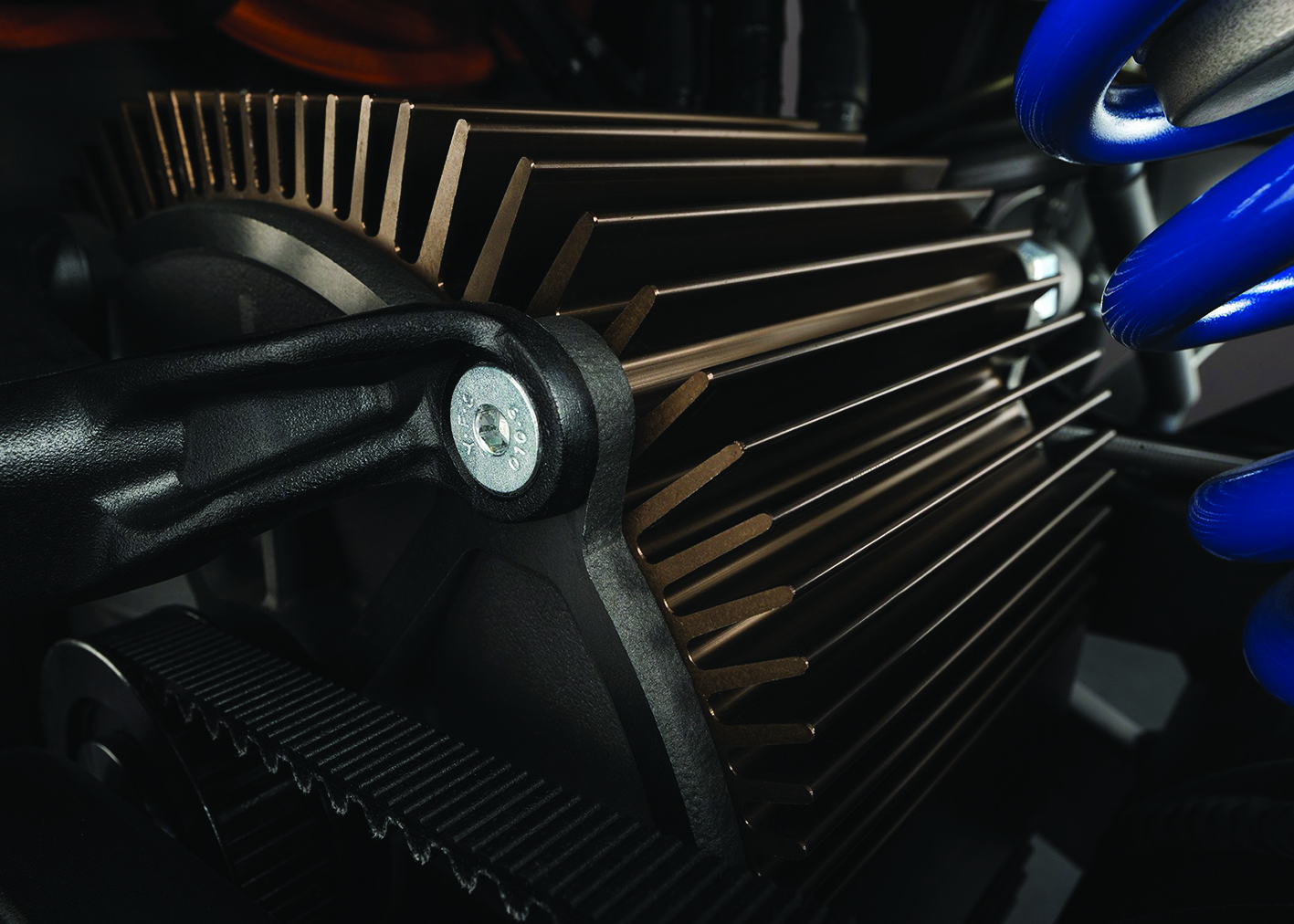
The Zero DSR has a 775-amp Z-force motor that utilises powerful magnets producing 67bhp and a whopping 146mn of net torque over the speed range. For comparison, a BMW R1200GS produces around 124nm of torque at 6000rpm. Compared to previous motorcycles from Zero the DSR delivers 43% more torque and 17% more power.


Ride Quality:

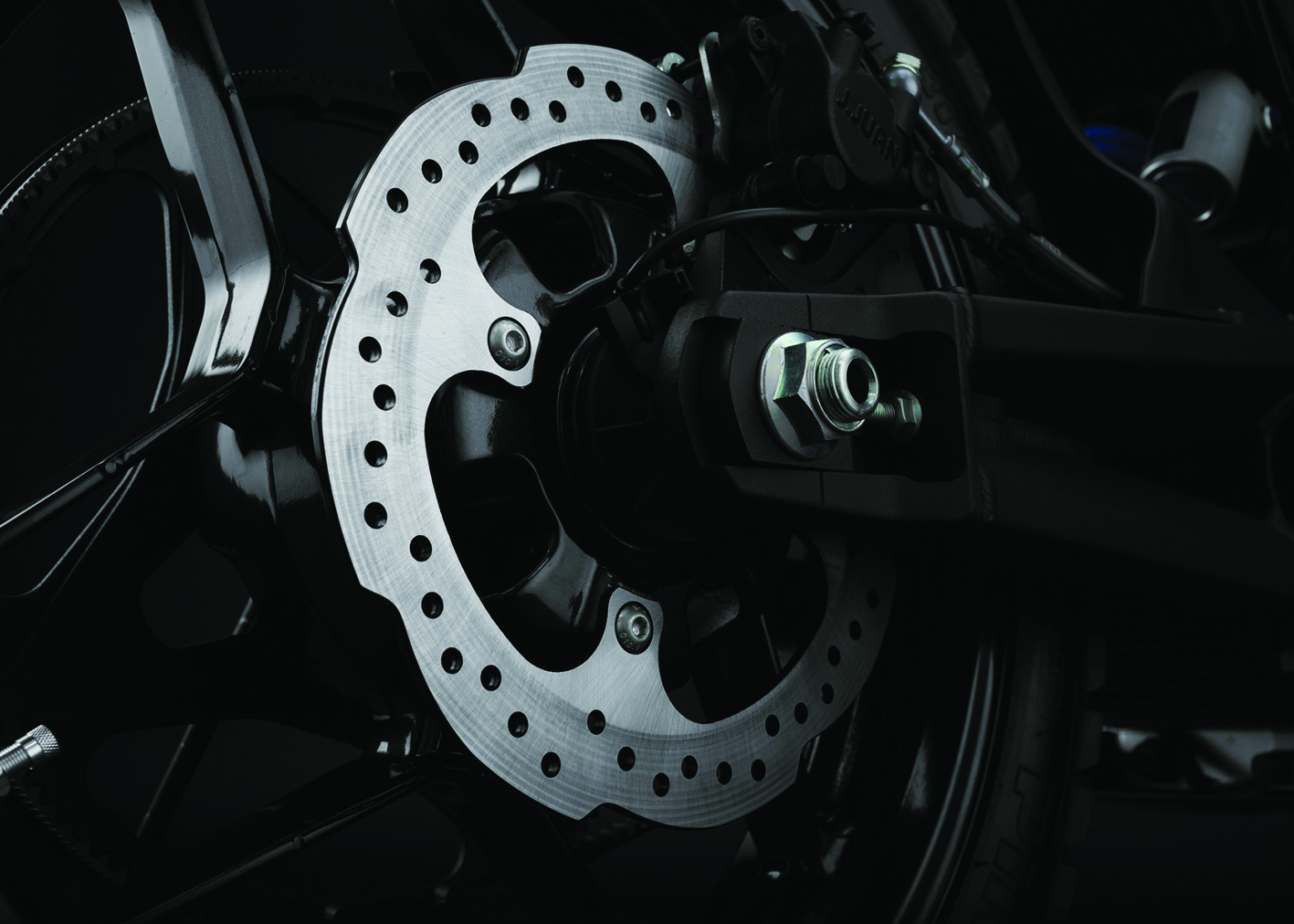
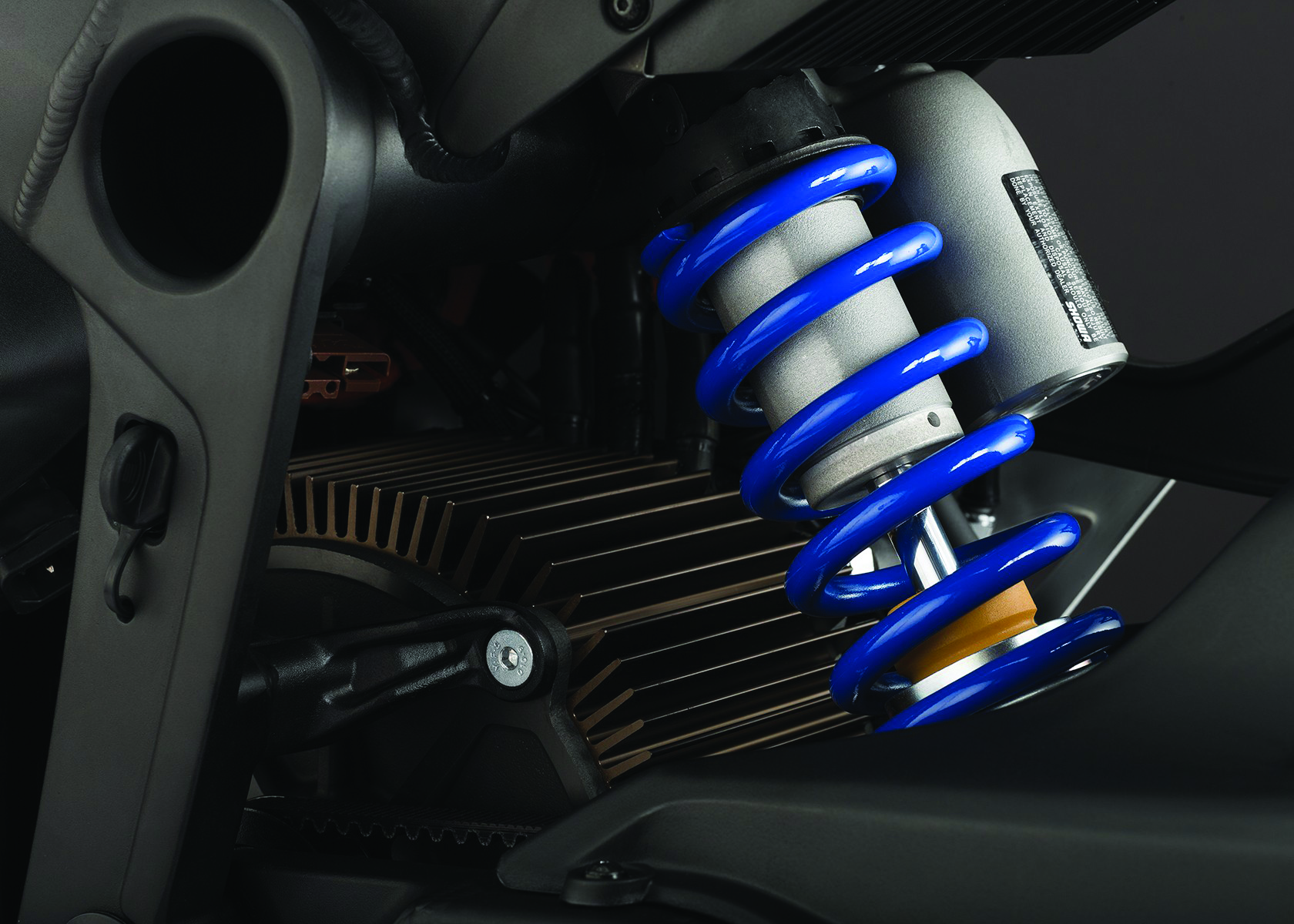
The Zero DSR is just so easy to ride. It takes a little bit of getting used to the power delivery and not having a clutch lever or gear lever, but it’s light and agile, and all the weight is low down with the motor and battery, but no big heavy fuel tank on the top with fuel sloshing about. It feels absolutely solid and planted in the corners. The Showa suspension really eats up the pot holes and, being a dual sport bike, would be more than capable of going down some dirt tracks. The braking is a little soft, using its large 320mm disk, and not as progressive as I like but, with Bosch ABS as standard, is perfectly adequate.  The huge torque from the motor is very noticeable making overtakes a breeze and getting to national speed easy.


Build Quality:

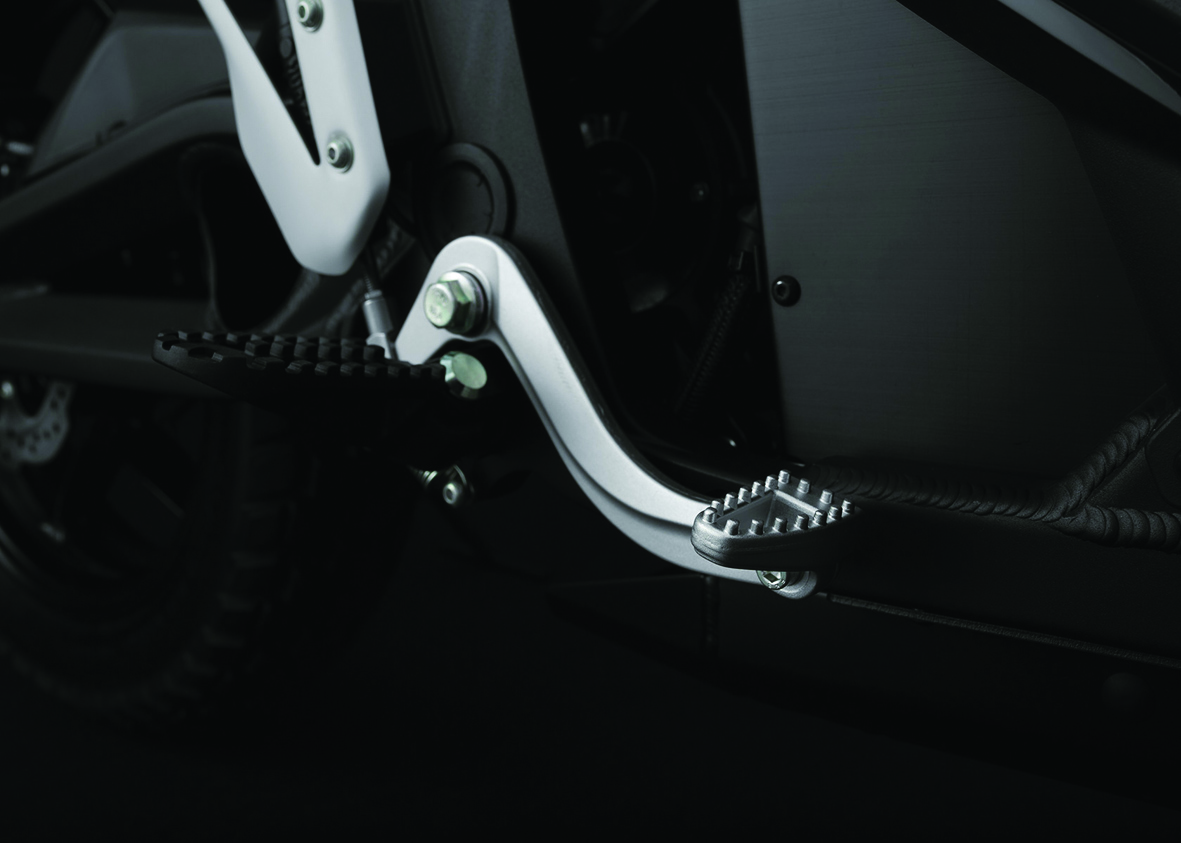
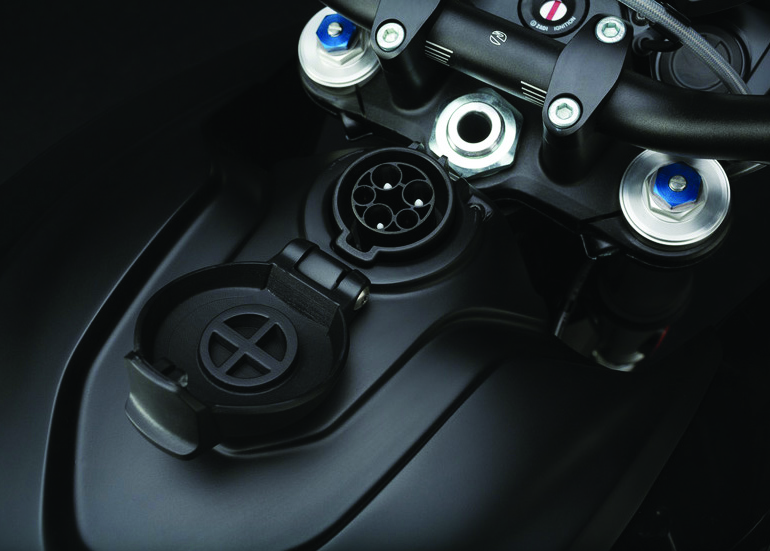
The bike feels solid and secure and built to last. There is quite a bit of plastic but it all feels of good quality, the bike felt well thought out. There is a nice black powder-coated aluminium frame and the handlebars have a very familiar feel of Renthal bars. On the fake tank where you would have the fuel cap there is a bin with a hard neoprene box that you could store your charging cable, however it’s only held in by Velcro and really seems like they did not put much effort into this part of the bike.


Equipment:

The bike comes with Bosch anti-lock brakes and Pirelli tyres as standard but you can also have an additional power tank fitted which will add an extra 3.3kWh to the standard 13kWh. The dash is functional and easy to read even in direct sunlight, and gives you all the information you require including what riding program you are in – Sport, Eco or Custom. You can also connect to your motorcycle using your phone giving you a more in-depth insight into the motorcycle, such as the state of charge, time to a full charge, and you can even edit the motorcycle’s custom riding mode.


Conclusion:

The Zero DSR is the future that will soon be knocking on our doors, but right now the battery technology still needs to improve – the DSR has a range of about 150 miles with charge time of about 8 hours using a standard household plug. So, for a daily commute it is perfect, but for a day out around the twisties you might run out of puff before lunch. You can use extra chargers from Zero that will bring your charge time down to around 2 hours but still the technology is not there for touring. The on-the-road price is £14,000, which is quite expensive for a second motorcycle. The DSR and electric motorcycles are a taste of the future here and now, but for the average rider, it’s not quite there yet.


Kurt Henney

Photos © zero motorcycles

First published in Slipstream February 2017

A Steamy Evening with the IAM

On Wednesday evening, over 70 Associates, Full Members, TOb’s, Observers and even a prospective member, crammed into a small meeting room at the Coppid Beech Hotel in Bracknell to hear Shaun Cronin talk about the latest developments occurring at the IAM – now of course ‘IAM RoadSmart’.

Shaun covered the rebranding and why this was necessary, the development of standards, and also new schemes being introduced in the coming months. One of these may mean that Associates could gain full membership via a modular style of learning rather than a single test ride at the end of their training. Groups such as TVAM could elect to administer such a scheme which sparked some discussion on standards, impartiality, etc. This will be discussed further at the Observer Day next month.

There was also a discussion on the Masters and how this sets a highest civilian riding standard against which any Full Member could test themselves – Observer or not.

img_0293

STREET 750 PASSES WITH FLYING COLOURS! (January 17)

Published: 27 November 2016 in MCN

By Alison Silcox

Office manager and centre of the MCN universe

What a cracking way to round off my year of riding the Harley-Davidson Street 750, I’ve just passed my IAM Advanced riding test and I’m pretty chuffed.

I took ownership of the Street 750 in March and decided I wanted to spend the year improving my riding skills and thought that studying for the IAM Advanced riding test would be an ideal way to do this. I’d met observer, Alie Ball, at a track day in 2015 and we’d hit it off, so, rather than join my local group I joined the Thames Vale Advanced Motorcyclist group. It wasn’t quite as convenient as riding locally but did mean that when Alie and I met for our monthly rides we spent a full day of riding.

At £149 it’s quite an investment but one I was happy to make. The fee covered membership to the IAM and all the observed rides I needed to prepare for my test plus the test.

I’m a competent rider but thought taking this course would enhance my skills further. Reading through the IAM Advanced Motorcycling Guide book, one of the first sections covers the ‘system.’ Sounds a bit dull but once riding with Alie I started to put into practice the systematic approach to riding. It soon became clear that riding in this manner gives more time to react to hazards and it became second nature as the weeks passed. Combining this with other riding skills including overtaking, filtering and slow speed work, it was a very comprehensive course.

On test day it was great to be riding the Street 750, with 8,000 miles under my belt this year I’m really comfortable and confident on the bike. My tester for the day, Andy McManus, commented with the slightly feet forward riding position, how easy it was to watch my feet for gear changes and use of the rear brake. He also commended me on my steering, even though the Street 750 is the smallest Harley in the range it’s still cumbersome when steering and on tighter bends can be quite difficult. I was really pleased to round off my year of riding with, to quote Andy, a “good solid pass”.

www.motorcyclenews.com

CAFE REVIEW New Forest Minstead Village Shop and Tea Room (Jan 17)

Some time ago, I had the pleasure of joining a Mark Spittles’ group run through the New Forest. It was one of those memorable rides and my introduction to exploring the ancient commons and medieval woodland with the wild ponies and cattle. The contribution made by the 12 airfields is marked by the Airfield Memorial at Holmsley, and at Ashley Walk there are the remains of the 5,000 acre bombing range where Barnes Wallace tested his famous Dambuster bouncing bomb, and the 22,000lb Grand Slam earthquake weapon for penetrating the German U boat pens. The Minstead Village Shop and Tea Room sits between Lyndhurst and the A31 across the village green from the Trusty Servant pub and small village car park. You are assured of a warm welcome as you enter this eclectic tearoom with its tasteful combination of lounge, café, and shop serving the local  community; it was the perfect place to stop for lunch and enjoy a pot of tea. In addition to a printed menu there was a ‘specials’ board of pies, soup, chilli bowl and apple pie plus cakes and lite bites. My locally produced Hunts Farm sausage on a bed of hot buttered sour dough would not have been out of place on Master Chef. The number of tables inside and out is limited so please ring ahead for groups greater than four. For more details go to Minstead Village Shop

Bryan Symons

Motorcycle Live 2016 (Jan 17)

Another year, another Motorcycle Live – the final of the big three European winter bike shows, and the one most likely to attract TVAM members. After all, Birmingham is a far shorter drive than Cologne or Milan. For some, it’s simply a great day out, for others it’s an opportunity to decide which new metal is worthy of an early deposit at their local dealer. There were many new or updated models on display, but also some gaps. Many bikes were missing, discontinued due to falling sales or an inability to meet the looming Euro4 emissions and noise requirements. To that end, let’s go through the main manufacturers and see what was of particular interest this November.

HONDA

Minor changes to many of their current models, a cool Africa-Twin concept for those determined to run the Dakar rally, and a pre-production prototype of the now-confrmed X-ADV scooter. Closely related to the existing NC750-based Integra, Honda have surprised everyone by confrming that they will be putting a chunky, lifted, spoked-wheeled and knobbly-tyred scooter into showrooms next year.
While the idea of off-road adventure riding seems to be very much in vogue (even if single-digit percentages of riders actually venture away from tarmac in the UK), I do believe this might be a step (through) too far. I wouldn’t mind seeing those four-pot twin radial Tokiko brake callipers on the rest of the NC750 range, however.

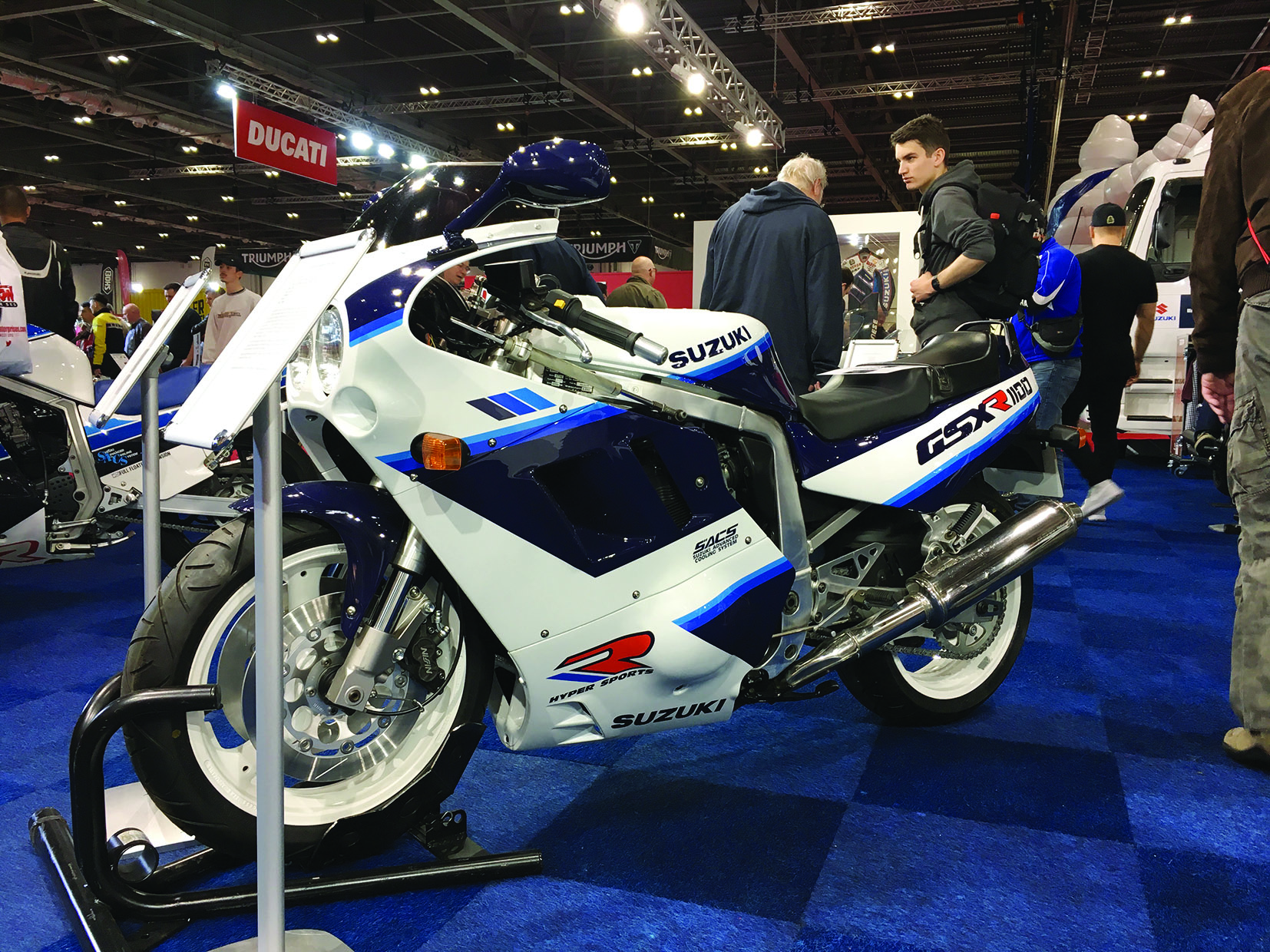
Honda also introduced a more comfortable, faired version of their popular CRF250L road-legal dirt bike. 2bhp more, a larger tank, a more comfortable seat, a reinforced subframe and the oddest looking headlights this side of an R1150GS should make for a truly practical round-the-world traveller. Anyone who buys a KTM 1290 Super Adventure and says they’ll be heading to Mongolia next year is kidding themselves. Serious travellers take something small, simple, and lightweight into the wilderness, not something approaching 300kg with an iPad for a dashboard. The big news, in theory, was of course the new Fireblade. The CBR1000RR now comes in three different favours depending on your credit rating, with even the base model featuring a 15kg weight loss and small power bump, along with the sadly prerequisite riding modes and lean-sensitive brakes and traction control.

For those of us left slightly depressed by the contradictory manner in which the whole industry is adding electronic restriction as an antidote to their excessively powerful engines, Honda was one of the last holdouts, the last bastion of a bygone age. If riders can’t handle 200bhp, then why not simply make smaller, lighter, less powerful, and ultimately cheaper motorcycles?

Apparently it’s our own fault, because the CBR600RR’s poor sales are such that it’s no longer worth Honda re-engineering the bike to pass next-generation emissions regulations. Commuters and couriers are buying NC750s in droves, and well-heeled hobbyists are focking to big power Africa Twins and Fireblades, but PCP has apparently made the middle ground unattractive. Why get a 600 when for just £30 a month more you could have a 1000?

SUZUKI

Suzuki surprised and annoyed me by doing the complete opposite of what I was hoping for with the V-Strom range. The rumoured changes to the 650cc version can be summed up by taking the current 1000, complete with beak and upgraded traction control, then replacing the engine and stickers to make it a 650.

There’s lots to like – the larger bike’s subframe allows for ftment of some excellent tucked-in hard luggage, the low-mount exhaust is a welcome dose of realism in a world otherwise convinced that full- size adventure motorcycles are somehow going rockclimbing, and the fully-featured dash means that home-brew voltmeters and 12v sockets will no longer be required.

Unfortunately, they’ve also copied the 1000’s inferior stacked headlights, narrower fairing and screen, and irritatingly fashionable beak. And while they were at it, they completely failed to upgrade the brakes or suspension, the two biggest weak spots in the otherwise sensible, practical and effcient 650.

At least there’s now something for beginners. The Inazuma 250 has donated its engine to the GSX250R and V-Strom 250, both of which are reskinned to match their larger-boned and larger-engined cousins. It’ll be nice for new riders to have something that could be mistaken for their friend’s adventure or sports bikes, but low-rent running gear will mean that experienced riders searching for a lightweight commuter should probably look elsewhere.

Conversely, Suzuki have taken the competition a little more seriously with the GSX-R 125, giving the UK’s 17-year-olds something to lust after alongside the ubiquitous Yamaha YZF-R125, KTM RC125 and Aprilia RS125. Top speeds and overtaking ability will be too limited for older riders, and more practical machinery such as Honda’s CBR125 will be of more interest to penny-pinching commuters.

Same goes for the GSX-R 1000, joining the rest of the 200bhp, electrically-assisted superbike world, and bringing variable valve timing along for the ride. Based on their centrifugally-driven MotoGP-based system, Suzuki claim it will give them the beefy midrange to match the stratospheric high-rev power, but I hardly think the likes of BMW’s S1000RR are lacking in that department. Price may be key here, as it always is with Suzuki, but all those electronics surely can’t come cheap.

The sole victim for 2017 seems to be the GSX-R 750. Already the last man standing from the days when everyone had a sports 750, the Suzuki has long soldiered on as an example of restraint. Without the additional 50bhp that require electronic safety nets in its larger cousins, yet with enough mid-range to improve noticeably on the day-to-day drivability of the smaller 600, it could be argued that the 750cc inline-four was the perfect goldilocks sportsbike. Not too big, not too small. I almost bought one once, but then didn’t. I guess neither did anyone else.

YAMAHA

Completing the far-eastern triumvirate, Yamaha had one of the largest stands of the three, yet had the least new metal to show. Part of this was because they already had the most up-to-date range of all the Japanese manufacturers, and part was because they seem to sell a dozen different versions of each bike. In fact, it’s become easy to guess which model Yamaha will announce next, given the now obvious gaps in their formula. My money’s on a retro-styled version of the MT-10.

What was new was the R6; mechanically very similar to the previous model, but gaining more advanced electronics and an R1-esque restyle. Clearly here’s one manufacturer who believes that there is still life in the 600cc sports bike market. Power and torque numbers haven’t moved noticeably despite Euro4 certifcation, which could be more of an indication that we’ve hit a plateau on what can be done with four 150cc pistons, even at almost 17,000 RPM.

What was missing? Just the 660 Teneré. What, you forgot they still made a 47bhp, single-cylinder adventure bike? Yep, so did everyone else. Fortunately, the obvious replacement is already being shown off as a concept, with the brilliant MT-07 engine as a base. Before long you’ll be able to walk into a Yamaha dealer, pick your engine from 2, 3 or 4-cylinders, then choose a modern naked, retro, sports-tourer or adventure version of each bike!

BMW

BMW were, of course, the original platform-sharing pioneers. Ignoring the single-cylinder G650 (everyone else does) you could choose between the 1200cc water-cooled boxer, the now ten-year- old 800cc 360-degree parallel twin or the searing 1000cc inline-four and then select naked, sports or adventure for each. At the top end we’ve got the 1.6-litre inline six K1600 in all its Goldwing-destroying glory, and off to one side, all alone, the hilariously overpriced C650 scooters.

Well, last year some parts of the world got the G310 reverse-mounted single-cylinder naked bike, although for some reason it’s still not made it over here from the factory in India. By the time it arrives it should be joined by its new R1200GS-inspired twin brother, a sort of higher-spec, higher-priced competitor to the V-Strom 250. Again, if you’re a 17-year-old who wants a bike just like Mum or Dad, then maybe it’ll be of interest. If it’ll attract the attention of the hardcore around-the-world crowd remains to be seen.

Beyond that it’s mostly Euro4 tweaks for the existing engines, including ride-by-wire for the 800’s and a light restyle for the GS. BMW engineers figured out how to remove the high-frequency vibrations from the S1000XR and shuffled colours around on some other models. Most owners won’t notice or care. They’ll just wait until their dealer phones them up to remind them to renew their PCP subscription and collect the latest version of whatever they already ride.

KTM

KTM’s range is either exactly the same or completely overhauled, depending on how closely you pay attention to the details. Their corporate styling and insistence on painting everything orange makes it diffcult to spot what is actually a fairly comprehensive overhaul of their entire adventure range, with signifcant changes to their naked bikes as well.

The 1290 Super-Adventure has been visually slimmed down, given an iPad in place of a dashboard and picked up the meanest-looking headlights I’ve ever seen on any vehicle. With LED lighting finally powerful, light and compact enough to replace ancient incandescent bulbs on increasingly cheaper motorcycles, manufacturers are free to experiment with non-traditional lighting arrangements. And no-one has taken that more to heart than KTM. Blimey.

Other than that, it’s the usual silliness. A 1300 cc v-twin making an excessive 160bhp, all kept in check by an unnecessary number of traction control computers, and suspended by an undesirably complex electronic suspension. I’d love to tell you how much it weighs, but the latest trend in all these large, expensive motorcycles is that they’ll only tell us the dry weight, which here is 217kg. Add fuel, water, oil

and the rest and I suspect you’ll be lucky to see less than 250kg on the scales. And that’s before you cover it in another 100kg of brushed aluminium accessories…

The entire 1190 Adventure range has been cut, proving once again that there’s no-one willing to sign a PCP plan for a £15k motorcycle who can’t be persuaded to sign up to an £18k motorcycle. Instead, we see a replacement of the perplexingly stunted 1050 Adventure and its meagre restrictor-friendly 94bhp with the much more potent 123bhp of the new 1090 Adventure. With less power, fewer gadgets, a simpler dash and more basic lights, the new mid-range KTM Adventure costs signifcantly less than its big brother, and is an altogether more interesting proposition.

The 390 Duke joins its 690cc bigger brother in gaining the fashionable full-colour TFT display. It seems nobody remembers when car dashboards tried to go fully-digital in the 80’s and everyone very quickly demanded analogue dials back. The prototype Duke 800 shows off KTM’s new parallel twin, a first in the company’s street bikes, and likely slotting in between the featherweight single-cylinder 690 and the frankly scary 1290 Superduke.

KTM didn’t need to lose anything else for Euro4, although the hi-tech wonder that is KTM’s MotoGP bike does rather rub our noses in the fact that we’ll likely never see an RC8 successor.

TRIUMPH

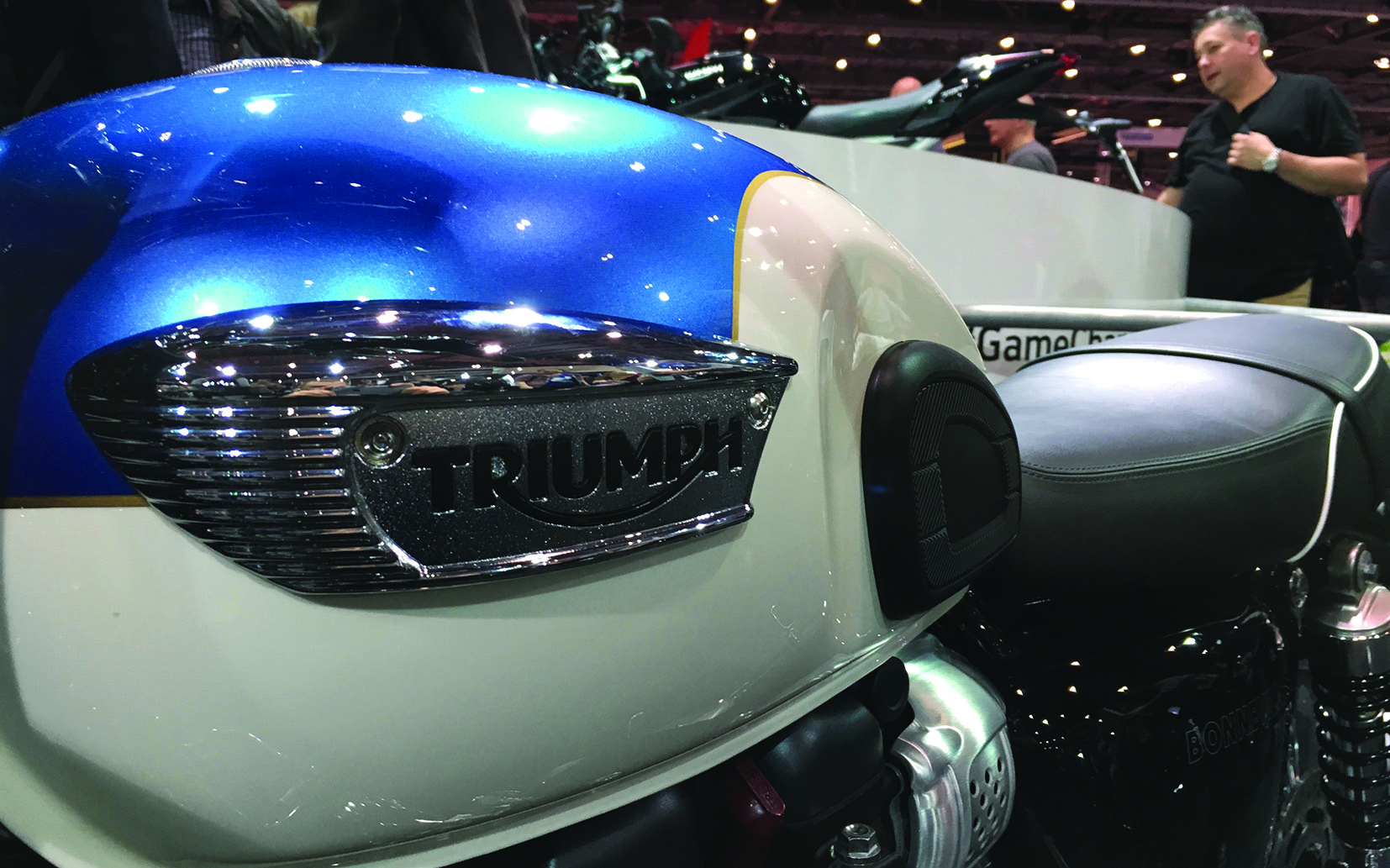
It’s easy to come to the conclusion that Triumph only makes two motorcycles, but will configure them for you in a practically infinite number of ways. The 1200cc and 800cc Tigers each come in eight different factory-provided specifications, and are visually impossible to tell apart. The new 900cc and 1200cc retro-styled twin-cylinder engines are slowly being bolted into every possible combination of cafe-racer, scrambler, bobber and cruiser, with further options available off-the-shelf at dealers for exhausts etc.

In reality we’ve now got a Bonneville with less power and worse brakes in the new T100, a 54bhp Street Cup cafe racer created by bolting the Thruxton’s clip-ons and seat to the Street Twin, and an interesting, concealed mono-shock linkage giving us the pretend-hardtail Bobber. I’m hoping that if I wait long enough I’ll get the option to buy a bike with the brakes, suspension and engine from the Thruxton R, but with an upright riding position and cast wheels to make it actually usable for more than trundling to the pub and back for two weekends a year.

If you weren’t looking for them, the sheer volume of brushed aluminium and smell of beard oil might have distracted you from the fact that nothing featuring Triumph’s legendary 675cc triple has survived the Euro4 cull. If Honda is right, then no-one is buying 600-class sports bikes anymore, but I know for a fact that the Street Triple was a hot seller.

It’s an open secret that there’s a new 800cc version in the works, complete with half-faired touring variants and dripping with unnecessary riding modes and traction control. It’s just a surprise that Triumph didn’t have it ready in time, leaving a conspicuous gap in the lineup. Joining the 675s in enforced obscurity is a bike at the other end of Triumph’s scale, the 2.3-litre three-cylinder Rocket. Never a huge seller, but always a crowd-pleaser, I can only guess that fully modernising the gigantic engine couldn’t be justified in an era where riders seem more interested in plaid shirts than unending torque.

DUCATI

Ah, Ducati. The manufacturer whose engineers literally cannot separate motorcycle from sportsbike. Ask them to build you a cruiser, they build you a low, stretched sportsbike. Ask them to build you an adventure bike, they build you a tall, pannier-equipped sportsbike. Speaking as someone who repeatedly tries to turn cheap Suzuki all-rounders into sportsbikes, I can completely relate to these people.

Obviously there’s a swathe of Euro4 tweaks for existing models, although the rumour is that the 1299 Panigale has only survived due to low-production rules granting a stay of execution. The swan song, then, is the new Superleggera, a feather-weight opus in orange and white, a world-frst production bike with a carbon fbre frame, swing-arm and wheels, weighing less than my Street Triple, yet making almost 220bhp. Staggering.

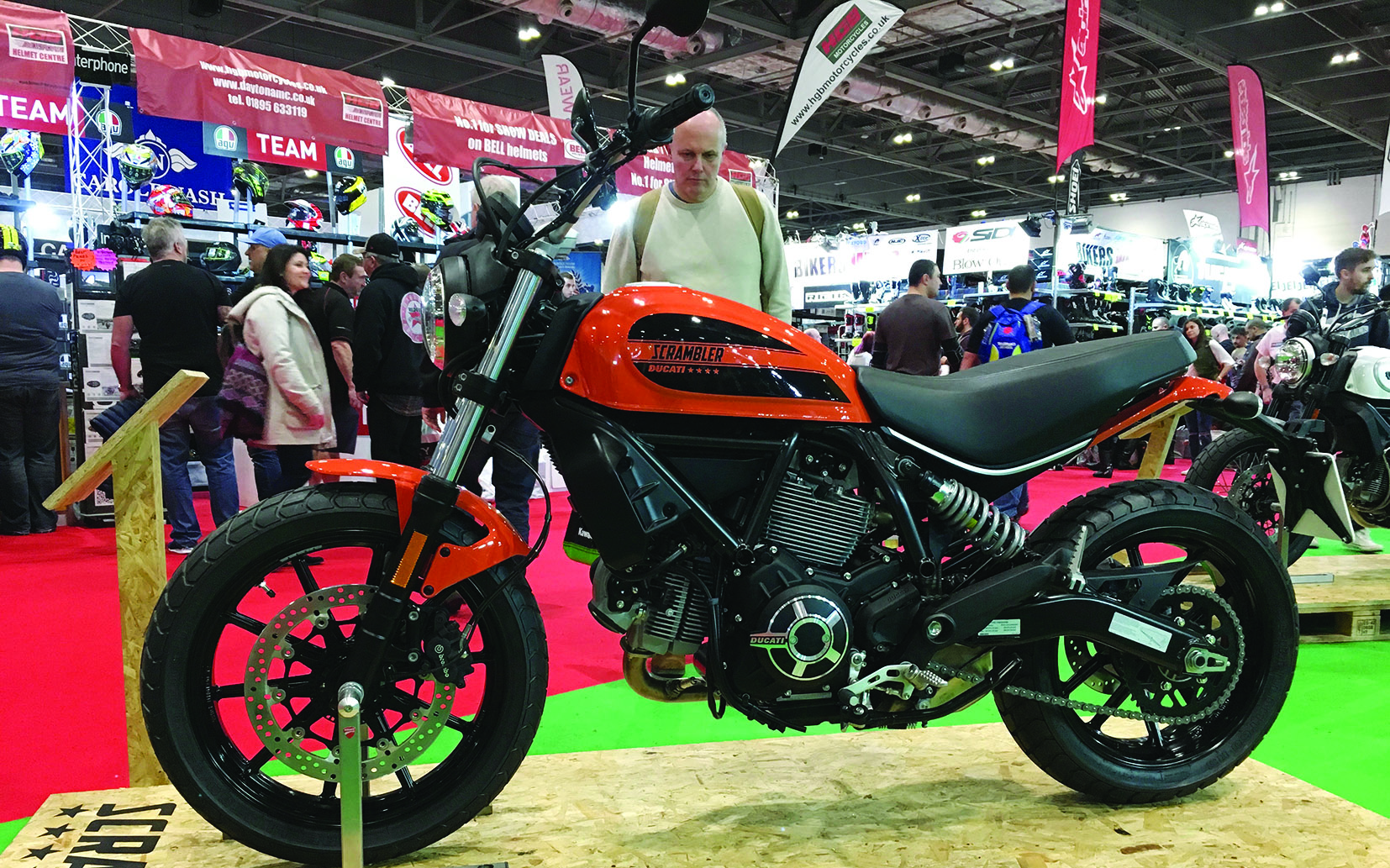
The Scrambler persists in a variety of flavours, now including a Café Racer and Desert Sled, which at least has the decency to feature some suspension and frame upgrades to justify its off-road styling. It also lends its engine to the new/old Monster 797, which is presumably for people who wanted a classic 75bhp air-cooled Ducati twin but still wanted modern wheel sizes and brakes. Pricing will be critical, especially given that you can buy the exact same thing in the classifieds from a few years ago.

An apparently growing theme amongst the European manufacturers is to realise that not everyone wants or needs the power, weight and complexity that come with their top-tier adventure models, yet still want high-quality running gear. And just like KTM, Ducati will now be offering a tantalising new mid- range model in the Multistrada 950, featuring all the stuff you want (cast wheels, monobloc brembos) with none of the stuff you don’t (electronic suspension, iPads for dashboards). Colour me interested.

EVERYONE ELSE

Harley-Davidson either have 50 new models or none, depending on how you defIne new model. They do have a new big-twin engine, which looks a bit nicer, runs a bit cleaner, vibrates a little less and has a tiny bit more power. Just like BMW, if you’re a Harley fan, you’ll buy one regardless of the spec, so don’t worry too much about it.

Husqvarna stole the show for me with their Vitpilen and Svartpilen 401’s, both beautifully-envisaged future-retro concept bikes that somehow made it to full production practically unchanged. Company owners KTM donate the engines from the 390 and 690 Dukes, the former going into these smaller bikes, the latter already used in the you-know-you-want-one 701 Supermoto.

Vespa and Peugeot paraded their usual ranges of modern and retro-styled CVT-equipped scooters. The various 125s and their tiny, unstable wheels are best kept inside city limits where a bicycle would already be a cheaper option, and the 300s add enough power to get out onto the motorways, where you can really scare yourself. The larger-wheeled maxiscooters make more sense, and I’ve met people who swear by those for touring or bad-weather commuting, but the riding position makes for questionable handling and the massive weight makes for poor fuel economy.

Aprilia seem to be shedding models left and right, the poor sales from their otherwise excellent motorcycles not enough to pay for the necessary Euro4 upgrades. The Shiver will return as a 900, as will the Dorsoduro, the Caponord 1200 persisting only in Rally form, and likely only because they sell few enough to squeeze through the regulations for one more year. A shame.

CCM were present and correct, showing off the clever bonded-aluminium frame and BMW-sourced 450cc single they use in their lightweight adventure bike. Recent price rises at the high end of the segment now mean that the CCM looks better than ever for people with genuine long-distance off- road ambitions. Light, economical, yet capable of lugging all your luggage across the Sahara without requiring a mechanic to fy in for emergency repairs half-way through. Buy one, ride it through a muddy quarry, then park it at your local Starbucks to make all the local GS’s look really silly.

Curiously, although having dominated the world of badly-maintained 125s throughout UK cities, the Chinese manufacturers were conspicuously absent this year, despite starting to finally field semi- convincing larger capacity models at previous shows. Perhaps getting hauled away for egregious copyright infringement at one EICMA after another is finally making them realise that stealing everyone else’s designs isn’t fooling western consumers. Perhaps buying or investing heavily in existing
manufacturers (Benelli, I’m looking at you) will prove a safer strategy for breaking into this particular market.

But the company that sticks in my mind the most, is definitely the boutique Italian Energica. Based in the famous motor valley in Italy, this relatively young frm is determined to be the world’s two-wheeled Tesla. More mainstream competition Zero seem happy to incrementally advance electric motorcycles an inch at a time, a strategy chosen by many car manufacturers to produce sadly similarly forgettable vehicles. But both Energica’s Ego sports bike and its matching Eva super naked are something else.

Capable of delivering more torque from a dead stop than a 1299 Panigale can at peak and artificially limited to 150mph, both bikes will run away from literally anything.

With quality workmanship and detailing, top-drawer suspension and brake components and an electric drivetrain that proves once and for all that the eventual switch from hydrocarbons to electrons needn’t be a downgrade, the only questions remaining are range and price. Before government subsidies you’ll be putting down £28,000 for the privilege of riding your Ego home, and that’s assuming you live within100 miles of your dealer.

But give it another 5-10 years and we could be looking at a genuine choice. In the same way that you can walk into a Peugeot dealership and pick petrol or diesel with minimal differences between the two, your 2025 BMW R1200GS will likely be offered in both petrol and electric versions. I can’t wait!

Regardless of what you ride and what you’d spend your lottery money on, Motorcycle Live! proves once again that biking in 2016 is still one of the most varied and exciting ways of propelling yourself across the face of the earth. With just a few short weeks until it’s smaller cousin, the London Motorcycle Show (February 17th-19th) will be a perfect opportunity for anyone who missed it to go along, and tell me that I’m completely wrong about their favourite brand. I’ll see you there!

Nick Tasker

MCN Success in December with TVAM


Alison Silcox claims to be the centre of the MCN universe as she’s the office manager and also a regular contributor to the weekly publication. Back in March when she decided to was time to improving her riding skills she turned to TVAM and Alie Ball, one of our National Observers, took her under her wing. Despite the distance from home Alison made it to a number of St Crispin’s over the summer and was taken out by other Observers, who contributed to the process. Alison successfully developed new skills during the course including how to build a rolling riding plan, giving her more time to react to hazards and spot opportunities to make progress, and also covering filtering, overtaking and slow speed manoeuvring.

Alison passed her test last month and so received her test certificate and green badge at the December St Crispin’s meeting. You can read her MCN article about her TVAM experience here

Congratulations Ali and well done Alie!

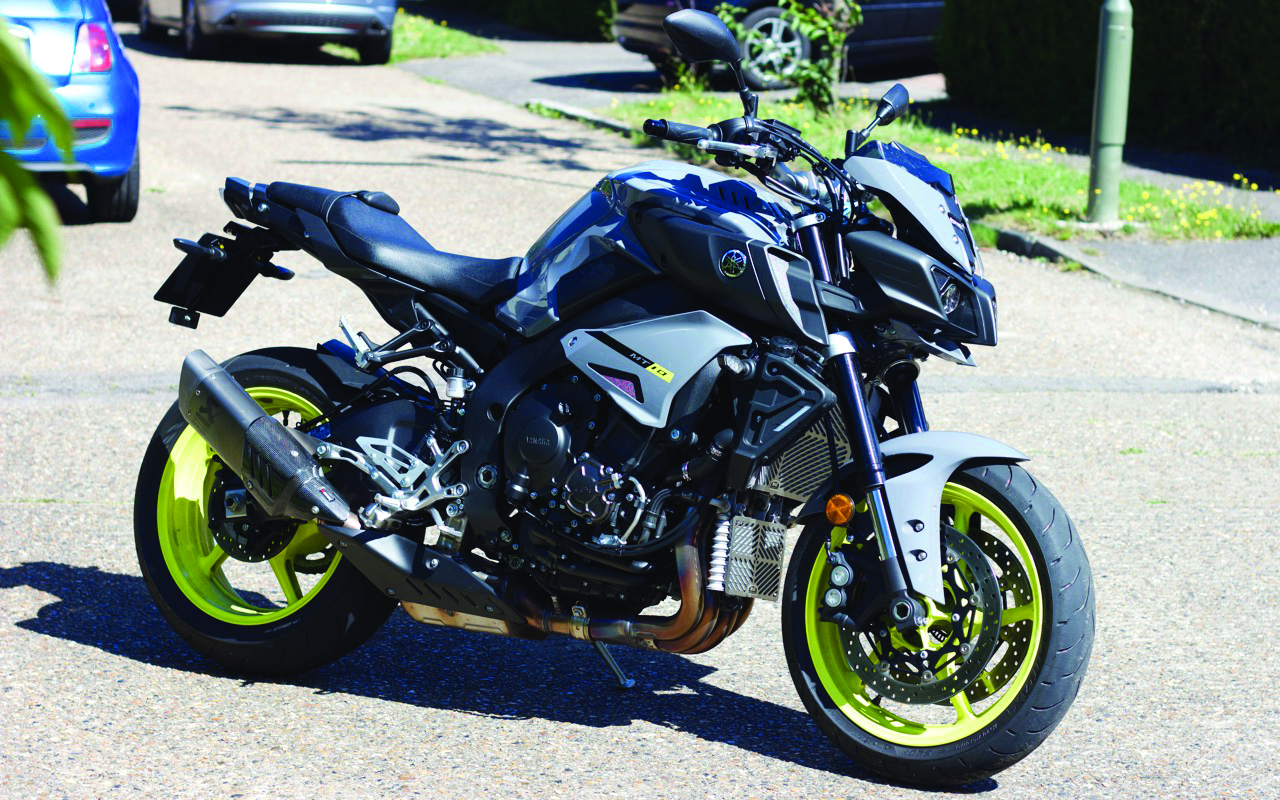
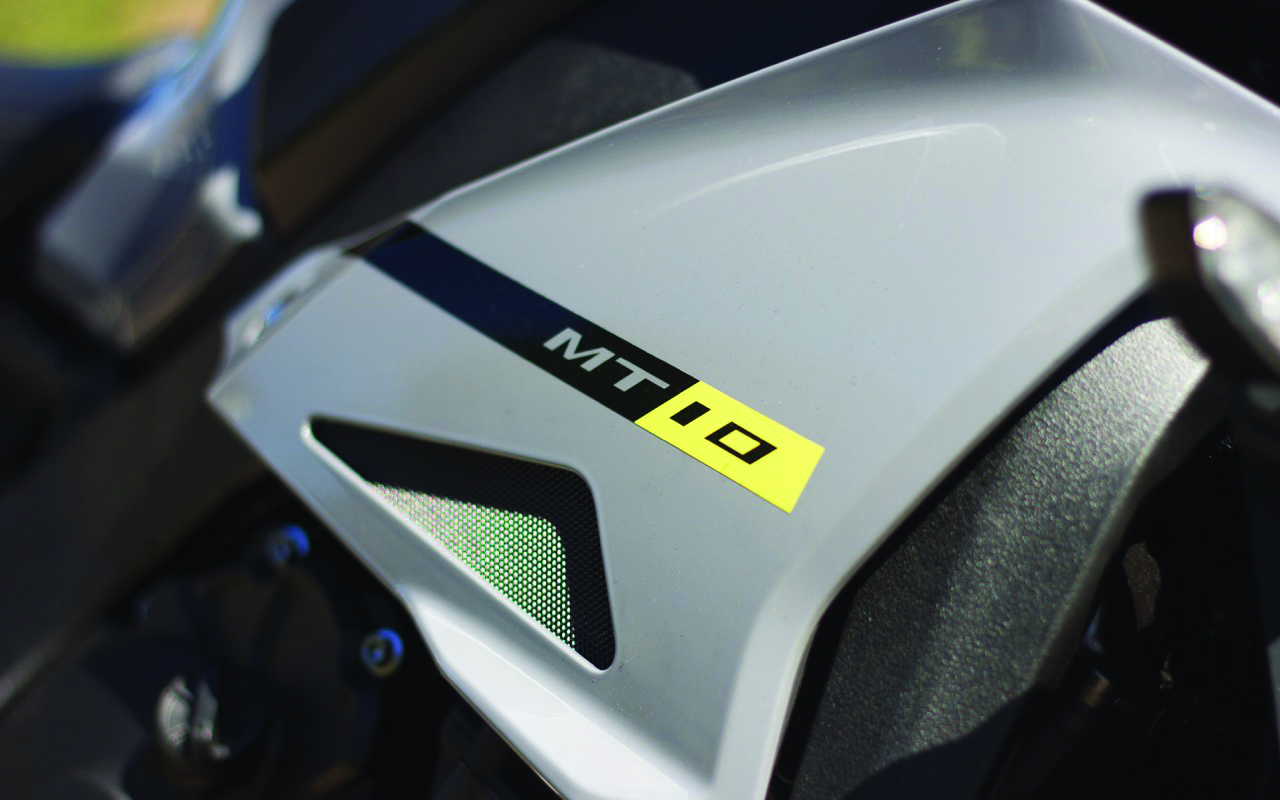
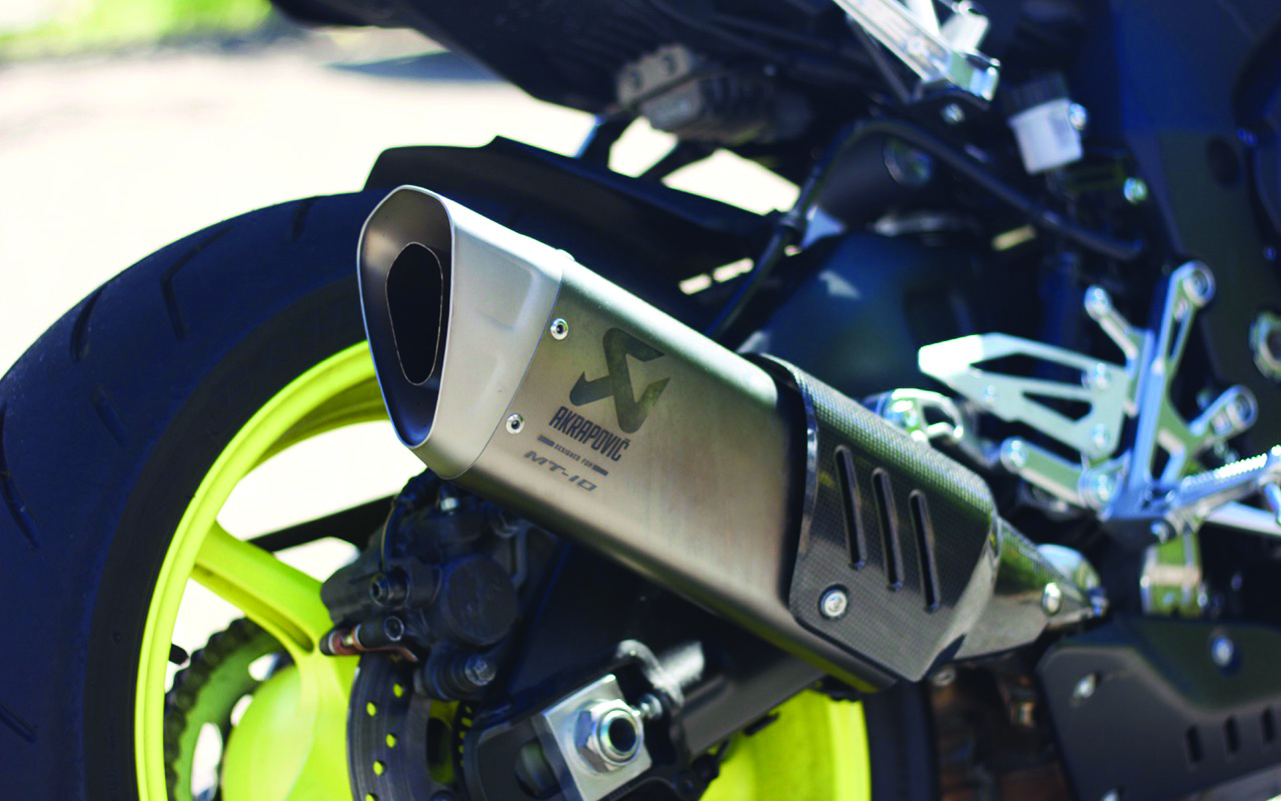
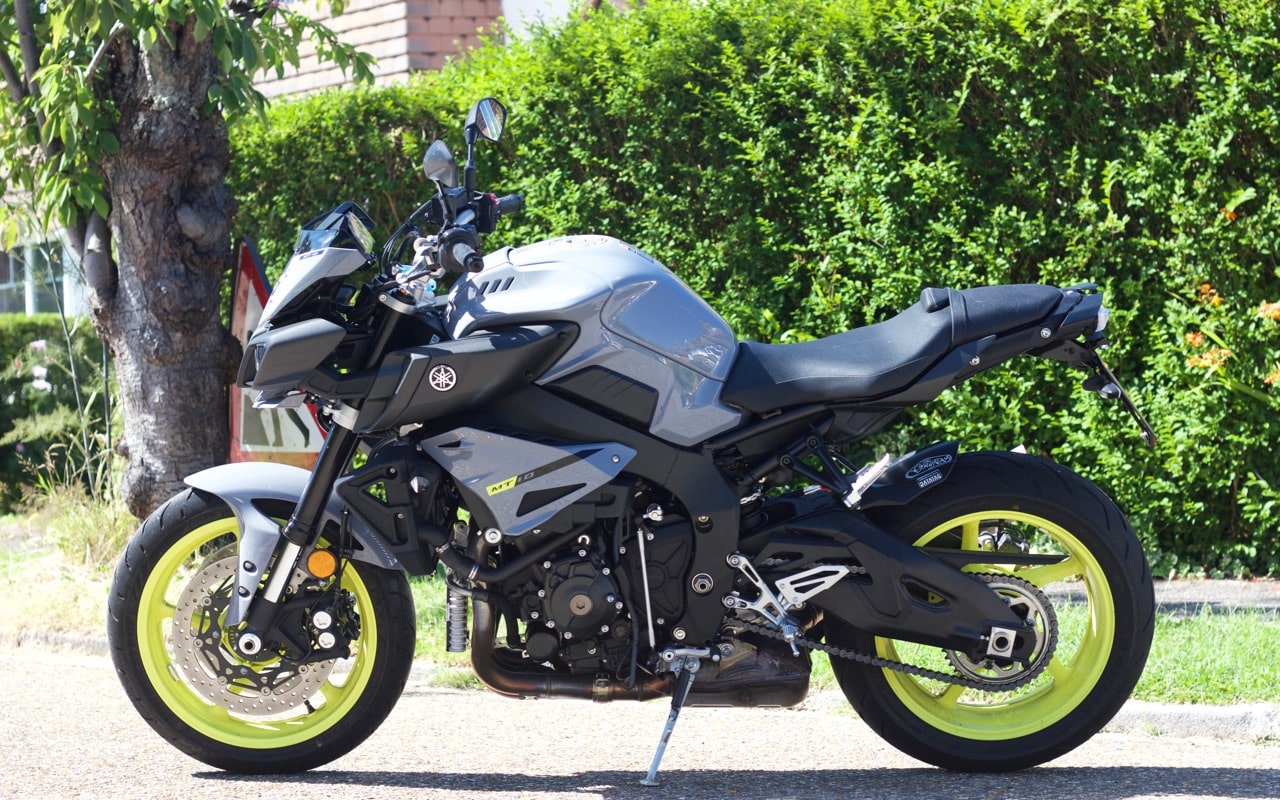
Yamaha MT10 Review

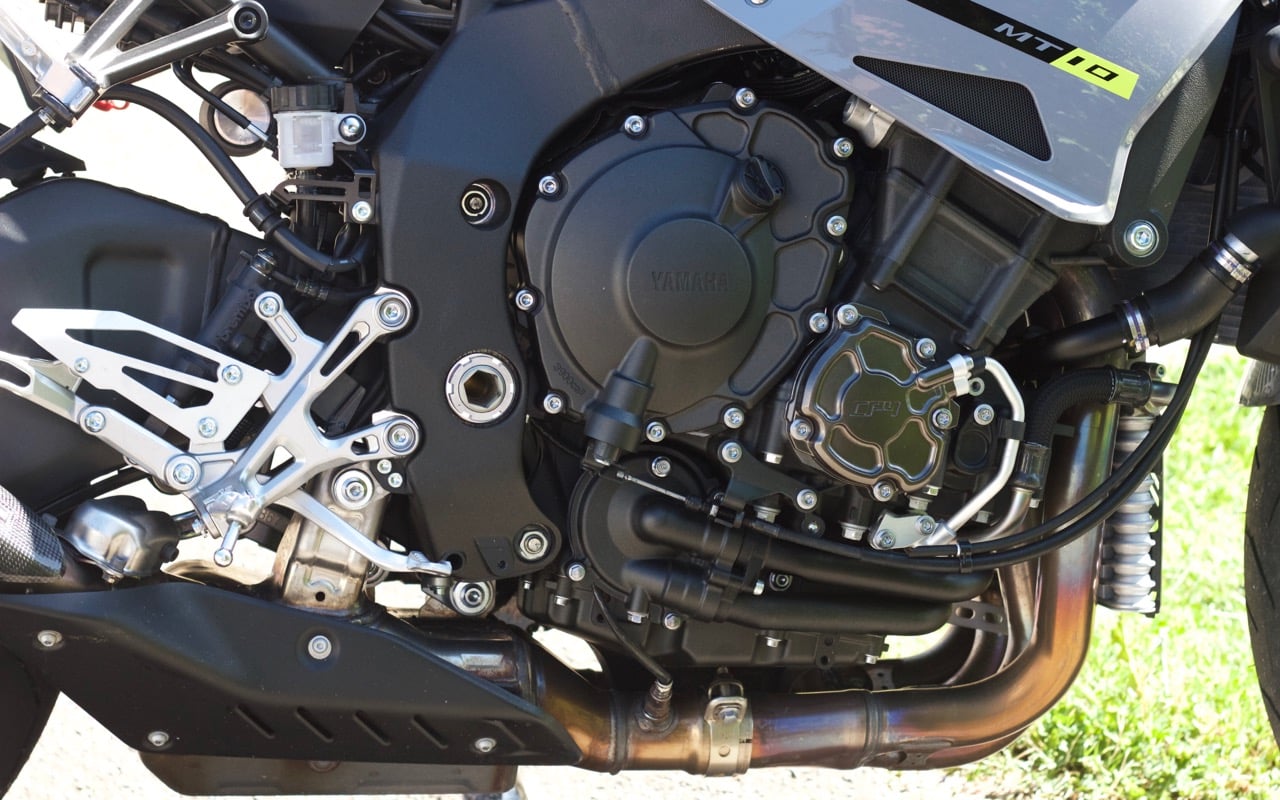
In 2009, Yamaha broke from accepted form by equipping their range-topping litre bike with a cross-plane crank, delivering the sound and power delivery of a V4 in an inline four package. For bikers bored with more than a decade of howling exhaust notes it was a breath of fresh air, adding much-needed aural variety. Since then, more road-oriented riders have been praying for Yamaha to slot the engine into something more upright. Someone in Japan finally listened.

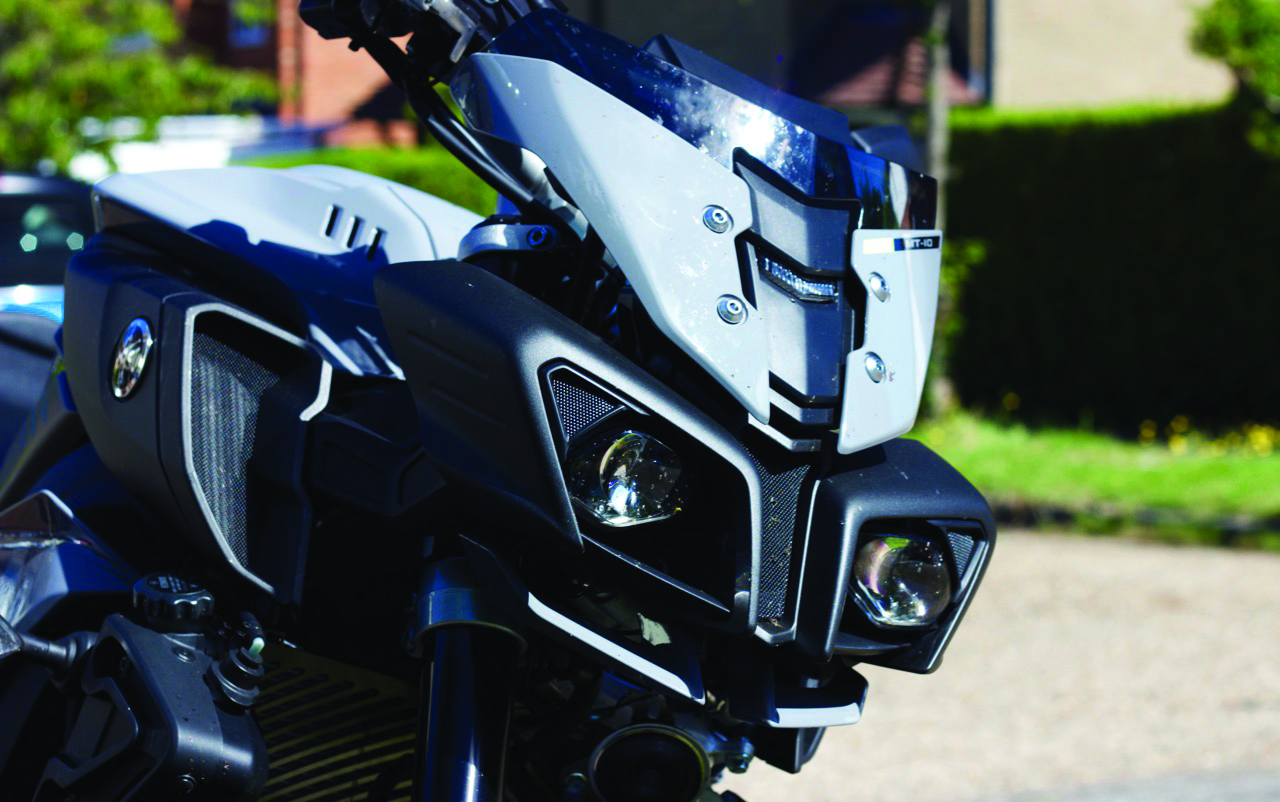
At first glance, you’ll notice that this is no sensible, upright 1000cc Fazer. In fact, at first glance you might lose your lunch, so challenging are the aesthetics. While Japanese naked bikes have become increasingly insect-like in their appearance, many assumed Yamaha would use the more restrained styling evident in the rest of the MT range.

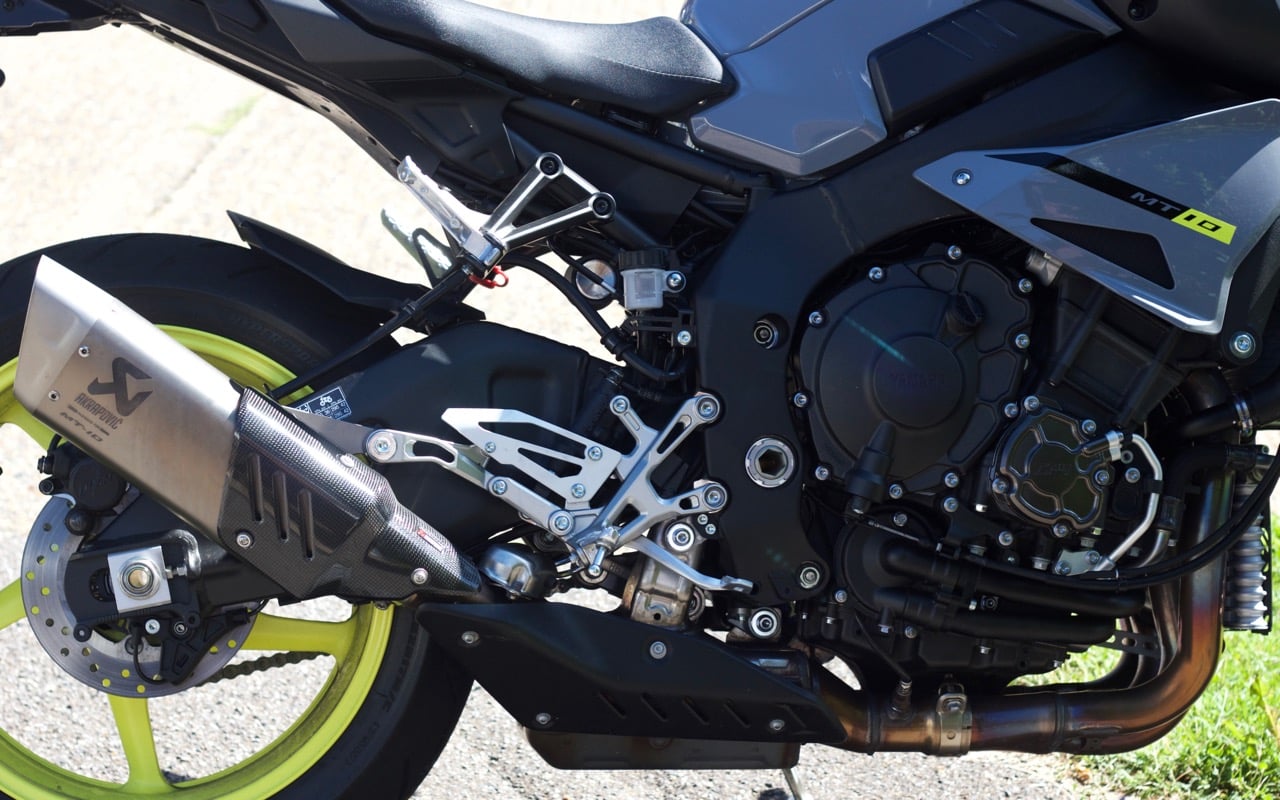
Instead, the MT-10 looks like an R1 was attacked with both an axe and a can of neon spray paint, creating a jagged, sharp-edged, luridly-coloured caricature. This is probably what Michael Bay thinks all motorcycles look like.

Does that mean I hate how it looks? I’m not sure. It does look better in person, and the all-black version looks better again than the grey/neon yellow example I rode. Those headlights are hard work, though. But as I was quickly reminded, you can’t see it while you’re riding it. And the MT-10 really needs to be ridden.

“The MT-10 is a great bike. It’s an incredible machine.”

I’m going to work my way backwards with this one, because it’s a schizophrenic bike. Yes, it looks like it’s just waiting for an opportunity to attack, to throw you into the bushes at the first corner and eat you. But pulling away, the MT-10 is very smooth, very light, and very controllable. It rides beautifully, the quality suspension apparent right away as it takes the edge off potholes and manhole covers while still conveying detailed feedback about grip from the tyres.

In fact, despite its appearance suggesting that the new Yamaha enjoys lurking in dark alleyways to ambush passers-by, you can equip it with a taller screen, hard luggage, hand-guards and heated grips, and go touring. It may not look like it, but this is the promised sensible Fazer replacement, allowing you to cruise to the Isle of Man in relative comfort and practicality before dumping the bags and setting a flying lap around the mountain.

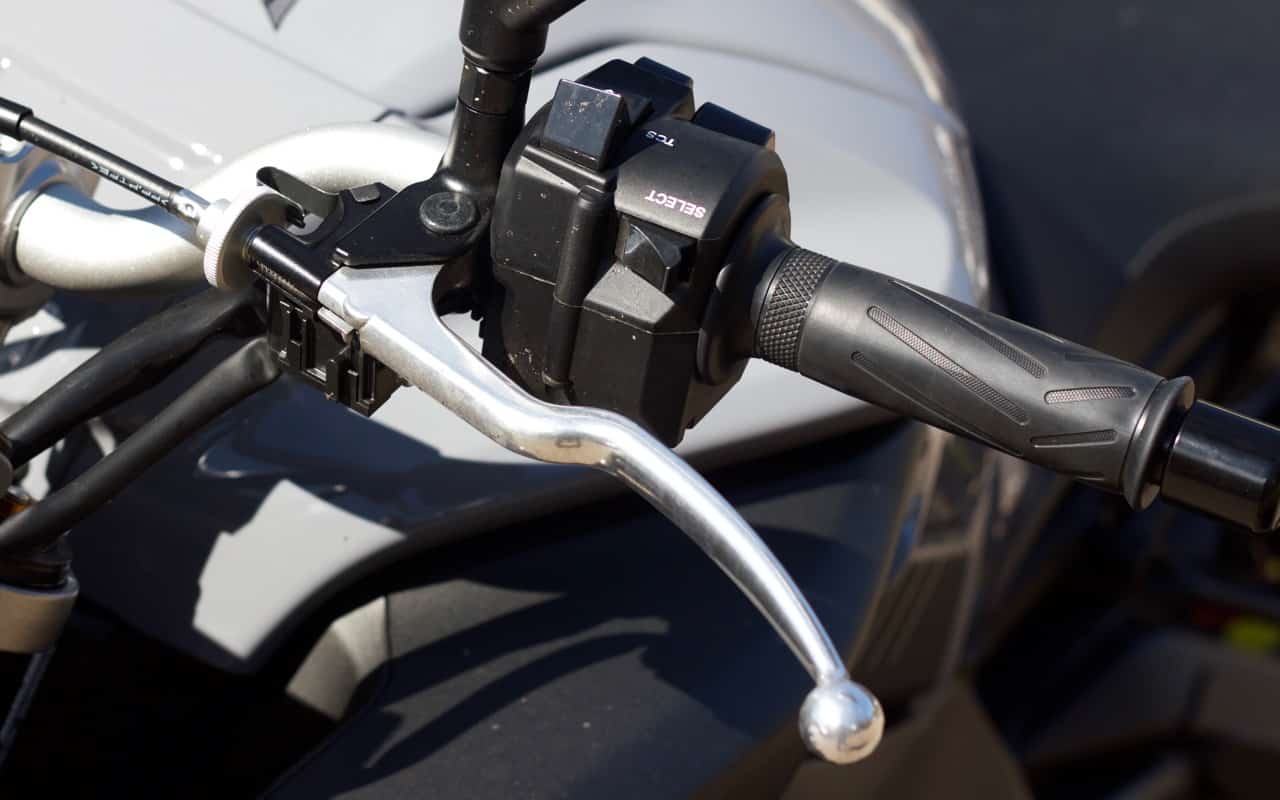
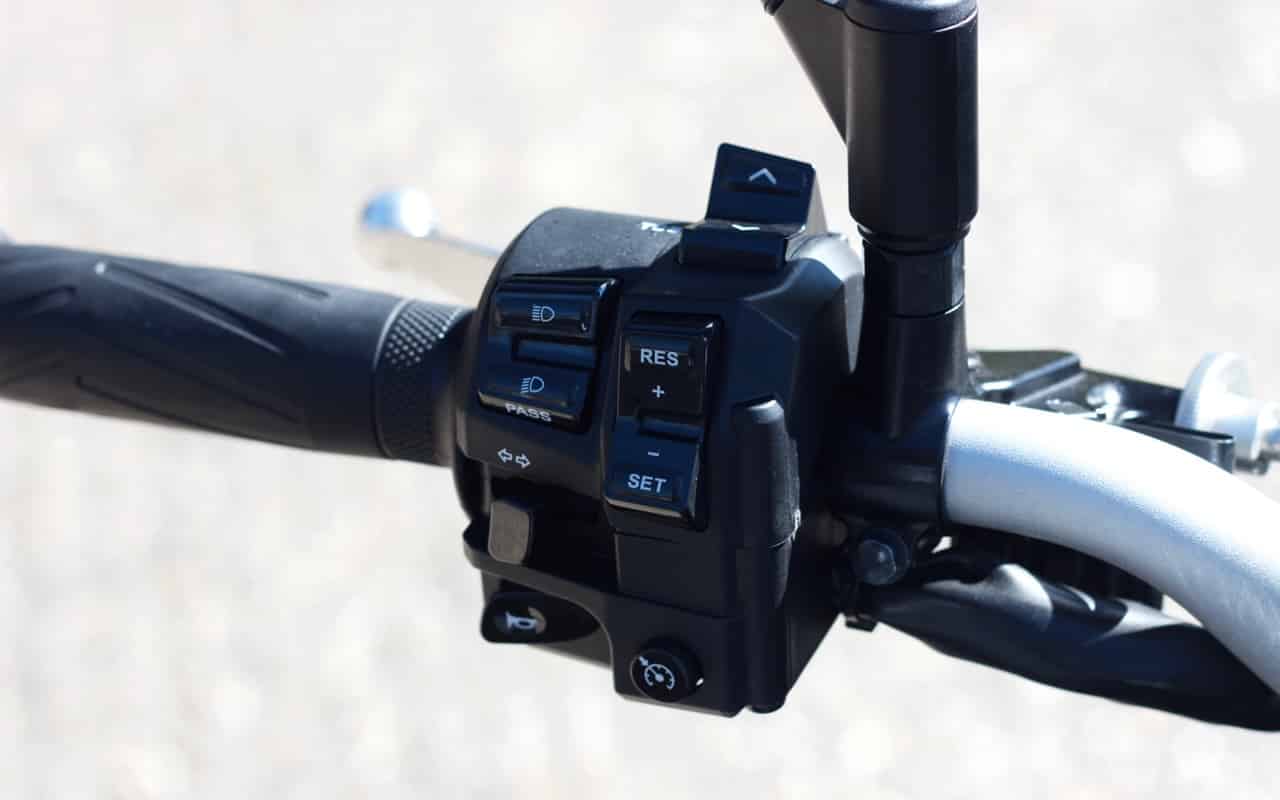
Three different engine modes allow you to choose varying levels of snatchiness, but it won’t present a real problem to anyone acclimatised to a powerful modern fuel-injected engine. Still, the presence of a ride-by-wire throttle suggests this should’ve been taken care of by the software team, and the modes themselves serve little purpose. At least the computer systems mean cruise control and traction control are fitted as standard, and while the former works well, I understandably chose not to try and provoke the latter.

The handling is excellent. It feels quite wide between your knees compared to something like a Street Triple, and it isn’t quite as razor-sharp on turn-in, but it’s not far off. You can exploit the chassis through your favourite bends with minimal effort, but you won’t want to do this for long on the stock seat, which is about as pliable as plywood.

The brakes are, quite frankly, appalling, with zero initial bite and very little power, which comes as a surprise when you see that these are the same radial callipers that can bring the fully-faired R1 to a dead stop with barely a touch. The reason, I’m told, is that Yamaha decided to fit very soft pads to the naked version, and that the problem can be resolved instantly by replacing them with the more aggressive compound found on the sports bike.

This is an odd oversight, given the terrifying amount of speed the 160bhp power plant is capable of inflicting upon you. Let’s be clear for a second – there are most certainly more powerful bikes on the market right now. Yamaha’s Supersport R1, for example, makes 200bhp with the same engine, but the torque is moved much higher up the rev range. I’ve ridden big tourers and adventure bikes with similar power outputs, but the MT-10 weighs just 210kg, giving it a power to weight ratio of 760bhp/tonne. Most supercars barely manage half that.

At 9,000rpm the crank is capable of spitting out 111Nm of torque, but to access that you have to be at full throttle, and that means you’re either already parked in a tree or are hurtling down a long, and crucially straight piece of tarmac, hanging on for dear life as the blurred scenery comes at you all at once. The wide, flat bars and upright seating position mean that merely attempting to exploit the prodigious power available will have the front wheel in the air in the first few gears.

Honestly, I had no idea what I was supposed to do with that engine. Most bikes I’ve ridden get to a point where the wind resistance and gearing effect combine to give a sort of rubber band effect, where opening the throttle no longer causes a linear increase in velocity. Usually this means you’re going too fast, or you’re in the wrong gear. On the MT-10, this simply never happens. If you double the amount of throttle, you will almost instantly double the speed you are travelling.

At anything below the national speed limit, I could reach any speed I chose at any time by barely cracking the throttle a fraction of an inch. This makes fine-grained slow-speed control difficult, and gives the impression of a monstrous attack dog held on a very short leash. I’m sure that cross plane crank sounds amazing once it comes on cam, but there’s just no way to find out; you’ll never rev it that high on public roads. My tester came fitted with a secondary Akropovic silencer, and it was completely wasted.

For years I’ve been confused by motorcyclists who claim they need 150bhp to get the job done. If you or your pillion are starting to bulk up, or if we’re talking about an over-sized touring rig then hauling that extra mass up to cruising speed will certainly require a bit more motive force. But every time I read or hear a motorcyclist comment about sticking a bike in 4th gear and leaving it there all day, I realise that bikers have actually become rather spoilt and lazy.

If a large capacity engine can make enough torque pull stumps at peak, then it’ll make as much power as a small-capacity engine several thousand RPM lower down the rev range. This in turn means that instead of having to use the gearbox to get an engine into the power band, you can just twist the throttle like a scooter and get instant power just off idle. Funny how the demographic that lauds this ability in modern big-bore bikes is the same that raves about the glory days of peaky two-strokes.

The MT-10 is a great bike. It’s an incredible machine. Modern engineering means a large-capacity naked like this can mimic the scalpel-like handling of race bikes from just a few years ago, all with perfect reliability and surprising practicality. But I’m afraid anyone that tells you they can exploit all that power on the road is either lying, or is riding through all their corners in 6th gear.

If you want enough low-down torque that you can leave it in one gear and haul yourself around, Harley-Davidson makes some great bikes that cater to this style of riding. Personally, I’d rather get something smaller, lighter, cheaper to buy and insure, something that can manage better than 39mpg in conservative use, and learn to use the other two thirds of the rev range.
In the first world we’ve become accustomed to being able to comfortably afford far more power than we can possibly use.

The thing to remember is that just because you can doesn’t mean you should.

First published in Slipstream, October 2016